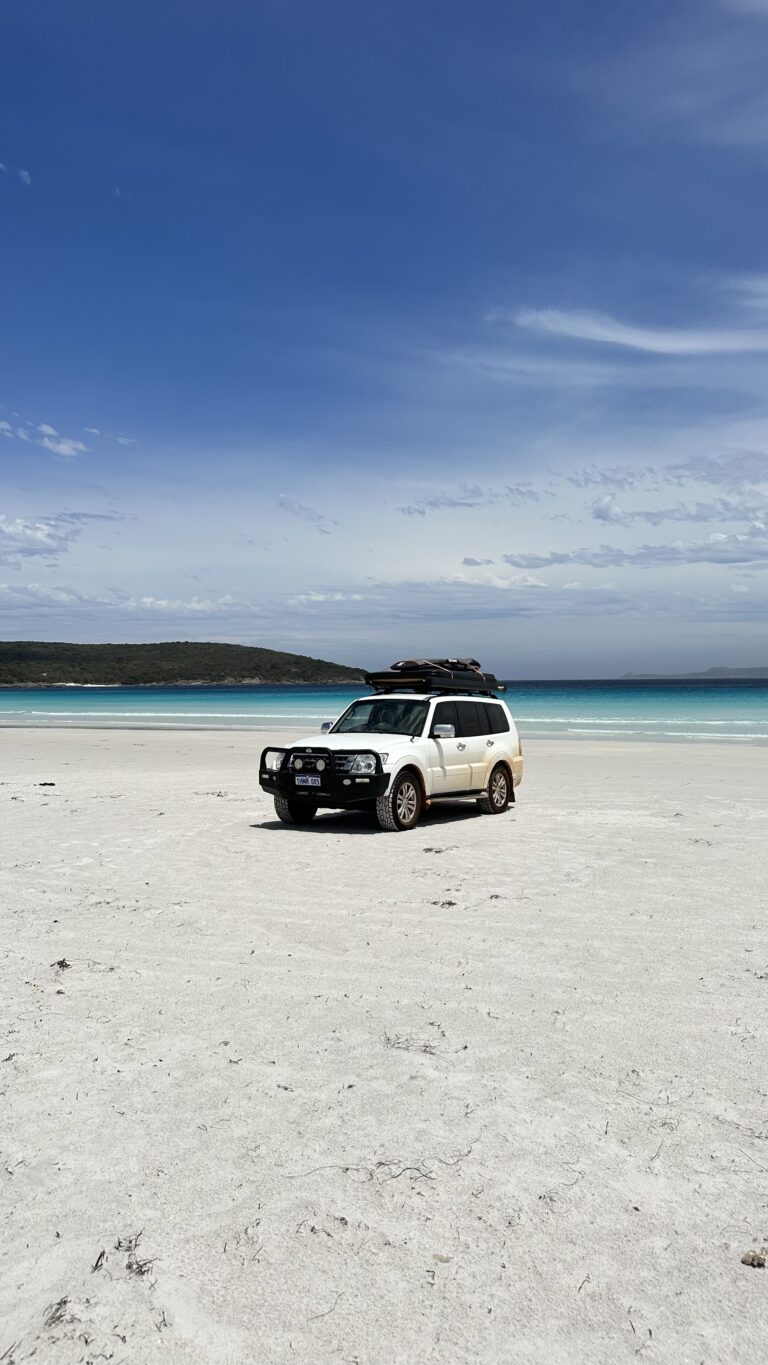
Great Ocean Road coastline in Victoria, Australia

DESTINATION

Great Ocean Road

The perfect coastal road trip from Melbourne

Melbourne

Capital

English

Language

AU$

Currency

The Great Ocean Road

The Great Ocean Road is one of Australia’s most iconic coastal drives, a spectacular stretch of cliffs, surf beaches, rainforest, and dramatic limestone stacks rising from the Southern Ocean. This itinerary forms a scenic loop from Melbourne, making it perfect for a 3–5 day adventure at a relaxed pace. Because this is a loop itinerary, renting a campervan gives you the ultimate freedom. We highly recommend checking out Camplify, where you can rent stunning campervans directly from locals, often much better value (and far more unique) than the big rental companies!


Best time to go: October–April has the best weather and long days, be aware that it does get busy during Dec-Jan school holidays!

Trip length: 2–4 days for the Great Ocean Road, 3-5 if you want some time to explore Melbourne as well

The Route

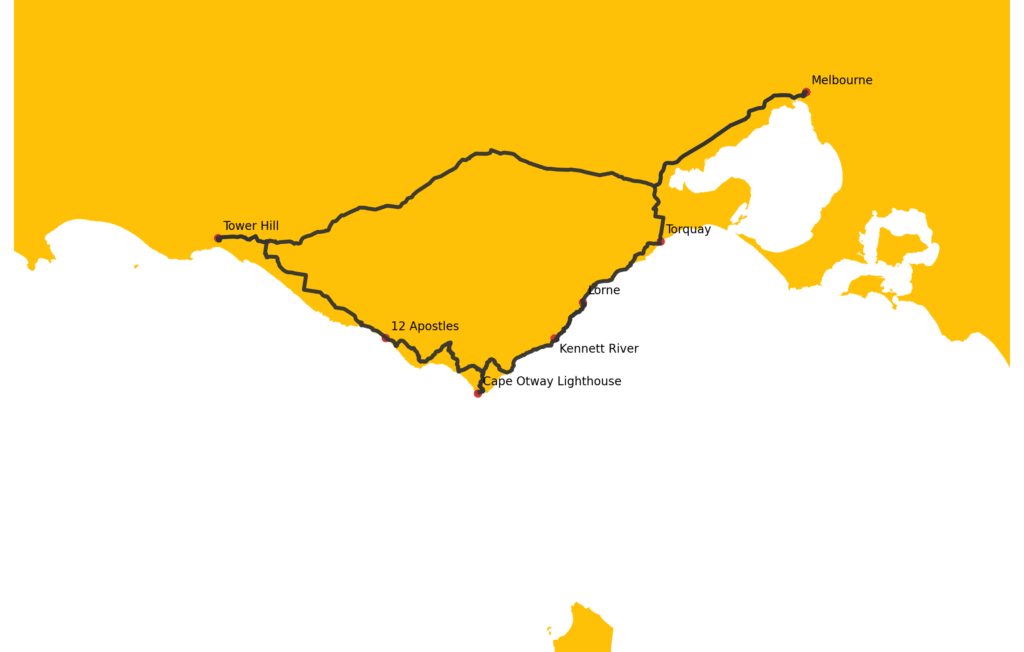
This itinerary starts and ends in Melbourne, heading southwest to Torquay where the Great Ocean Road officially begins. While the coastal road itself is about 243 km long, once you include the drive from Melbourne and the return inland, the full loop is closer to 700 km and around 9 hours of total driving.

The first part of the journey takes you from Melbourne to the start of the Great Ocean Road, where you’ll begin with sweeping coastal views, beaches, and surf towns. Further along, the road winds through lush rainforest near Cape Otway, before reaching the dramatic limestone cliffs and sea stacks around the Twelve Apostles. The journey ends near Warrnambool with a visit to Tower Hill Wildlife Reserve, a beautiful park set inside an ancient volcanic crater, before returning inland to Melbourne.

Great Ocean Road Itinerary

Melbourne

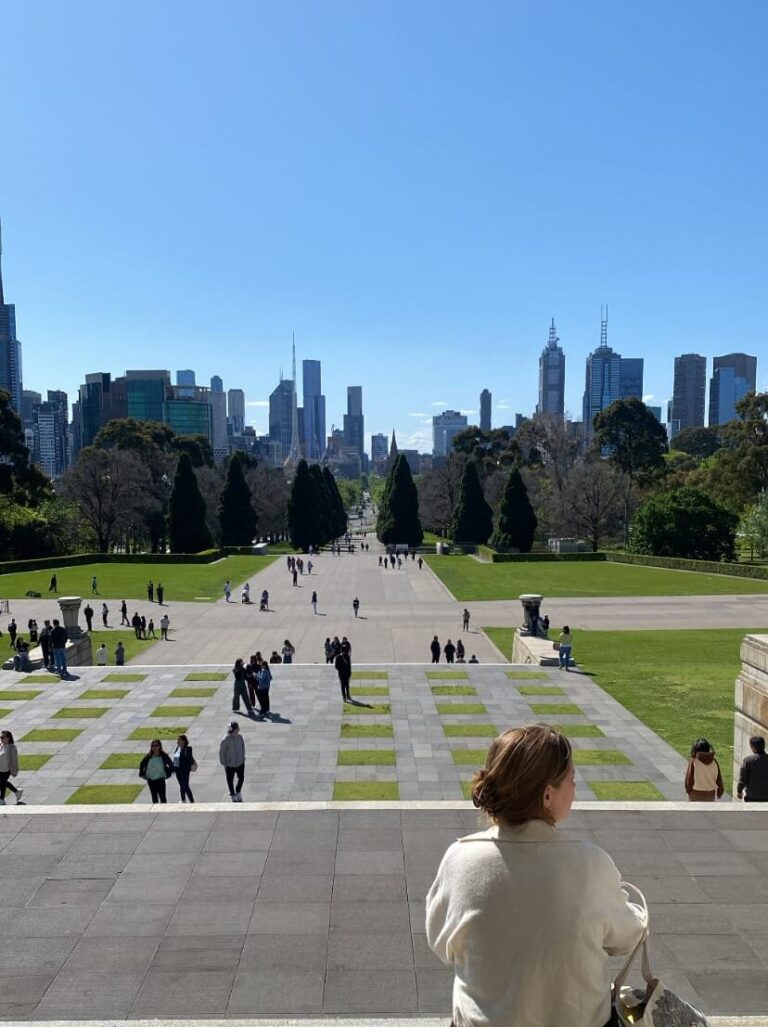
Shrine of Remembrance
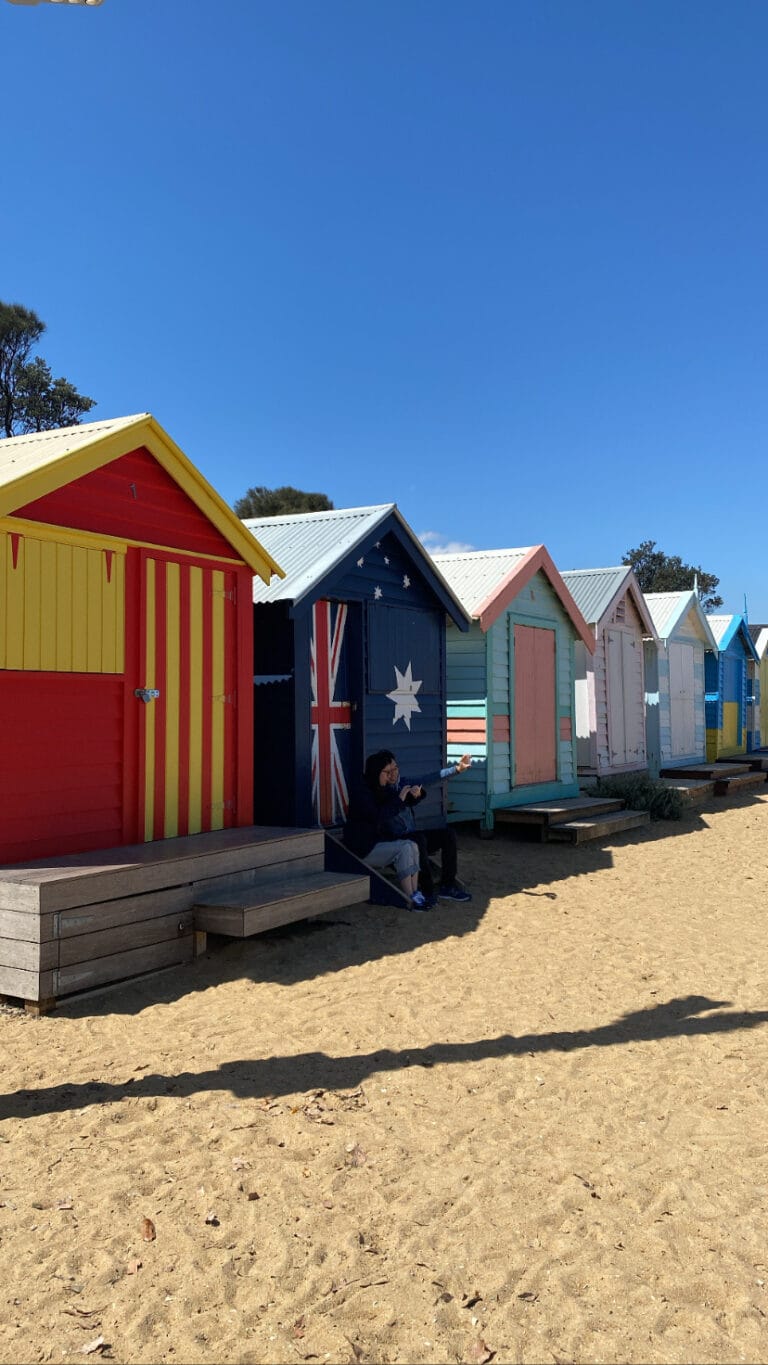
Brighton Bathing Boxes

You’ll most likely begin your itinerary in Melbourne, a vibrant metropolitan city that easily deserves 1–2 days of exploring if you have the time. Start with a walk through the Royal Botanic Gardens and continue up to the Shrine of Remembrance for stunning views over the skyline. From here return back to the city along the Yarra River and have a drink on one of the many waterside venues (we love Ponyfish Island), if time allows, catch the free tram to the other side of the CBD for the famous Queen Victoria Market, which is perfect for picking up fresh produce for your road trip and getting souvenirs. 

On a sunny day, it’s also lovely to rent a bike and cycle along the bay toward the famous Brighton Bathing Boxes, a relaxed ride that takes about 30 minutes one way. We recommend renting a proper (electric) bike rather than using Melbourne’s rideshare options, as parts of the coastal route pass through red zones where rideshare bikes aren’t allowed, meaning you won’t be able to cycle all the way to Brighton. The route follows the waterfront with plenty of beaches and cafés along the way, making it a great way to explore the coastline just outside the city. If you have the time and the budget, a sunrise hot air balloon flight over Melbourne is another unforgettable experience. 

TIP: Melbourne is widely considered one of the world’s great coffee cities, famous for its specialty coffee culture and skilled baristas. Wherever you stop, make sure to grab a flat white or cappuccino, it’ll be one of the best coffees you’ve ever had!

Great Ocean Road

The Great Ocean Road officially begins in Torquay, about a 1.5-hour drive from Melbourne, and winds west for 243 km all the way to Warrnambool. Built by returned soldiers after World War I, it’s also considered the world’s largest war memorial. While the road itself can technically be driven in about 4–5 hours without stops, we recommend spending 2–3 nights along the route to explore the coastline properly.

First Stretch: Torquay to Lorne

Bells Beach
Bells Beach
Teddy's Lookout
Teddy's Lookout

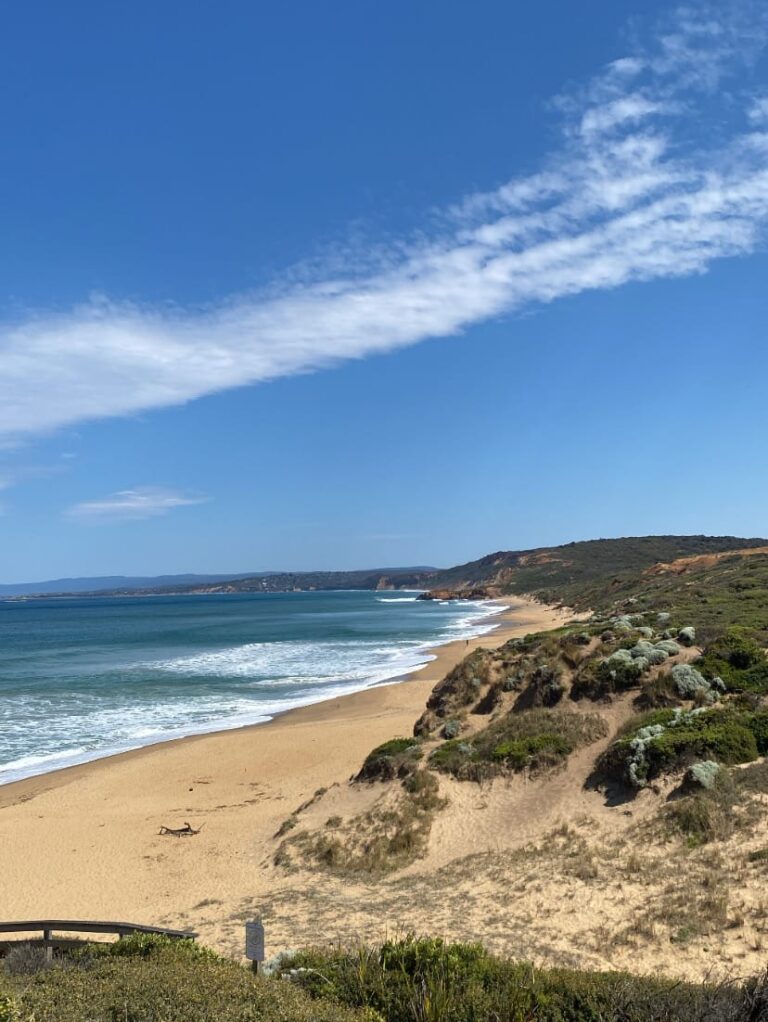
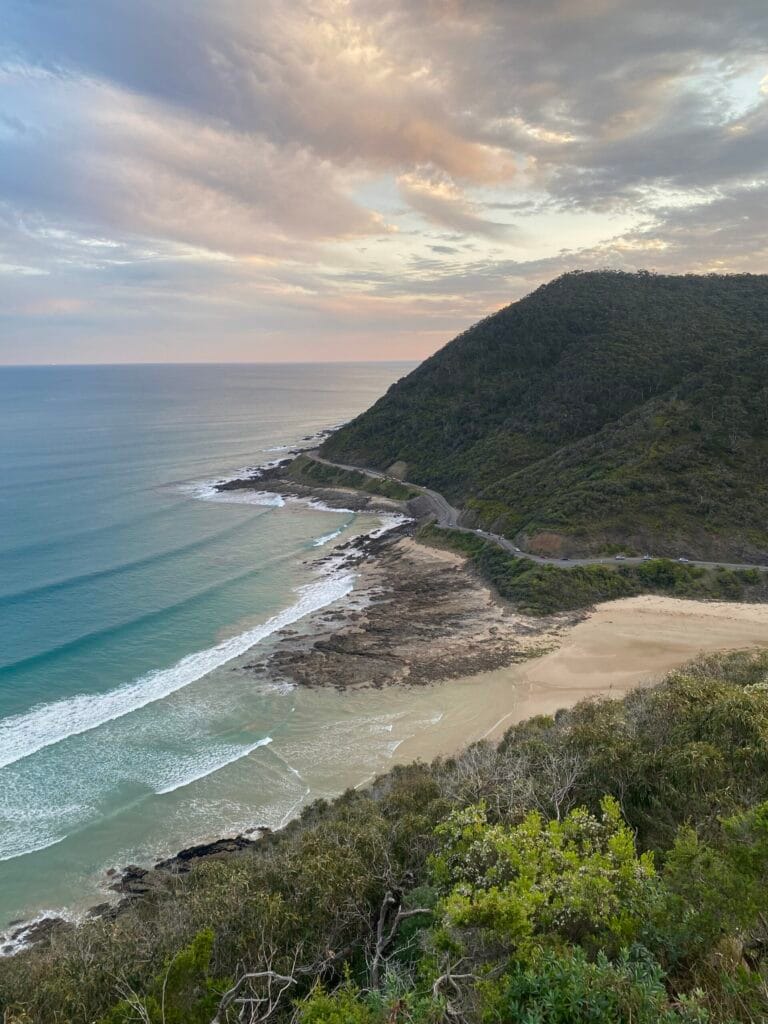
This first section of the Great Ocean Road is all about beaches and spectacular coastal lookouts. Your first stop is Bells Beach, a world-famous surf break and home to the Rip Curl Pro, one of the longest-running professional surfing competitions in the world. Even if you’re not surfing, it’s incredible to watch the pros tackle the powerful Southern Ocean swells. When you’re done watching others surf, drive a little bit further and take a surf lesson in Anglesea with Go Ride A Wave, a great school at a beginner-friendly spot! From here, continue to Aireys Inlet and walk the short 30-minute return trail to Split Point Lighthouse, another beautiful lookout along the coast. As you continue past Lorne, make sure to take a quick detour up to Teddy’s Lookout, from here, you’ll get a panoramic view of the winding coastal road below, and you’re quite likely to spot kangaroos grazing on your way there.

TIP: We loved camping at Cumberland River Holiday Park just past Lorne, tucked between steep cliffs, a river, and the ocean!

Second Stretch: Lorne to Twelve Apostles

Drive time: 2.5h

Koala at Kenneth River
Cape Otway Lighthouse

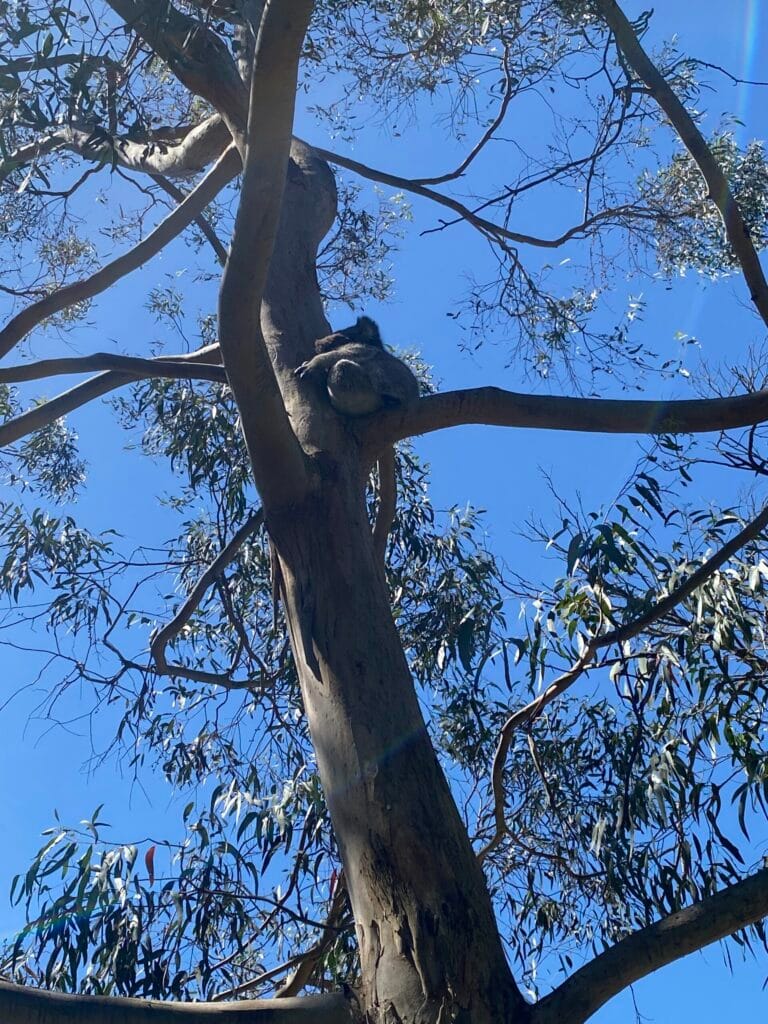
Your first stop on the second stretch is Kennett River, a small riverside village that’s famous for its koalas. Grab breakfast or a coffee at Kafe Koala, then take a short walk along the river track going inland. If you look carefully up into the eucalyptus trees, you’ll often spot koalas sleeping high in the branches. From Kennett River, continue about 40 minutes to Apollo Bay, a relaxed seaside town and a great place to stock up on supplies or get lunch.

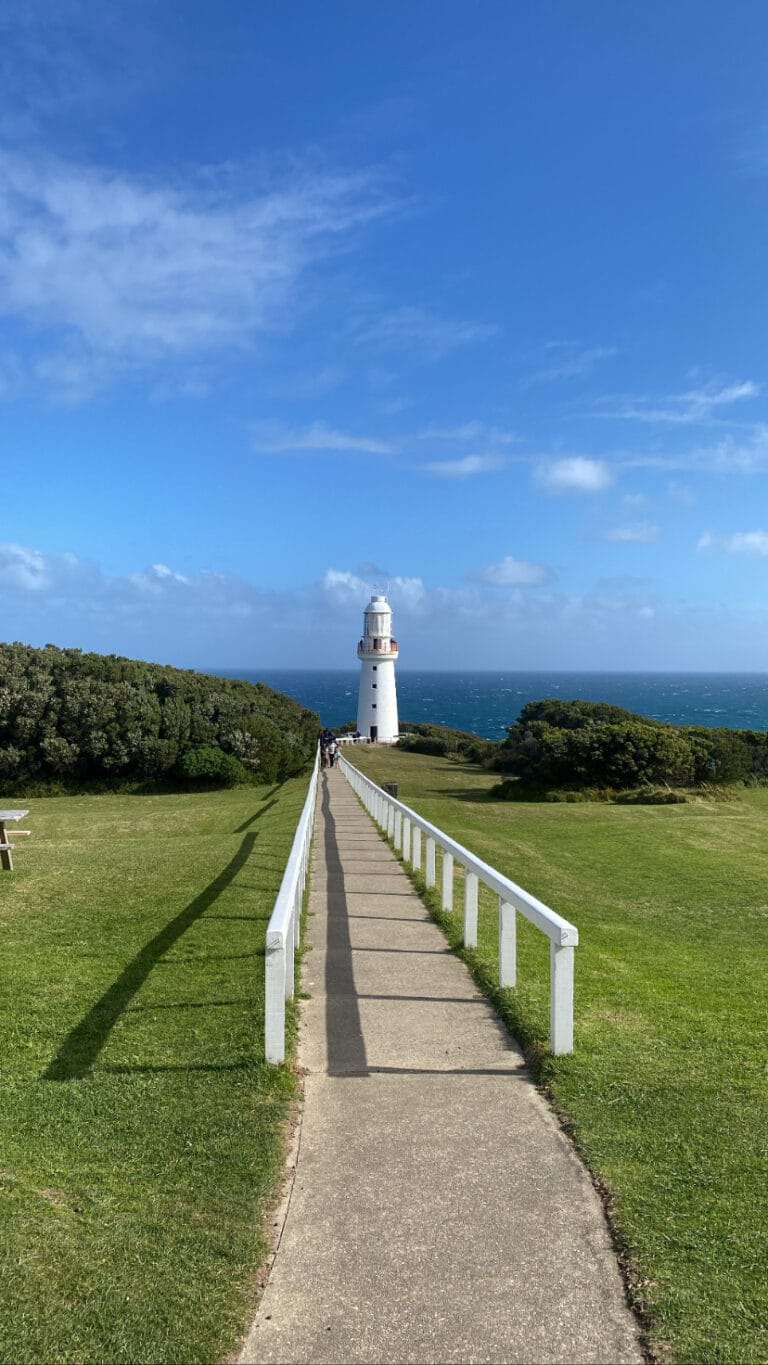
From here, an unsealed road briefly turns inland into the Great Otway National Park, where you can visit Hopetoun Falls and the towering Californian Redwoods at Beech Forest a surprising grove of giant trees planted in the 1930s! Another must-do stop in is Cape Otway Lightstation, mainland Australia’s oldest lighthouse. For a small entry fee you can explore the historic site and even climb to the top for amazing views of the Southern Ocean crashing against the cliffs

TIP: We stayed at Princetown Recreation Reserve & Camping, a great campground just 10 minutes drive from the 12 Apostles

Third Stretch: The Twelve Apostles to Warrnambool

Drive time: 1.5h

Twelve Apostles
Twelve Apostles - Great Ocean Road Itinerary
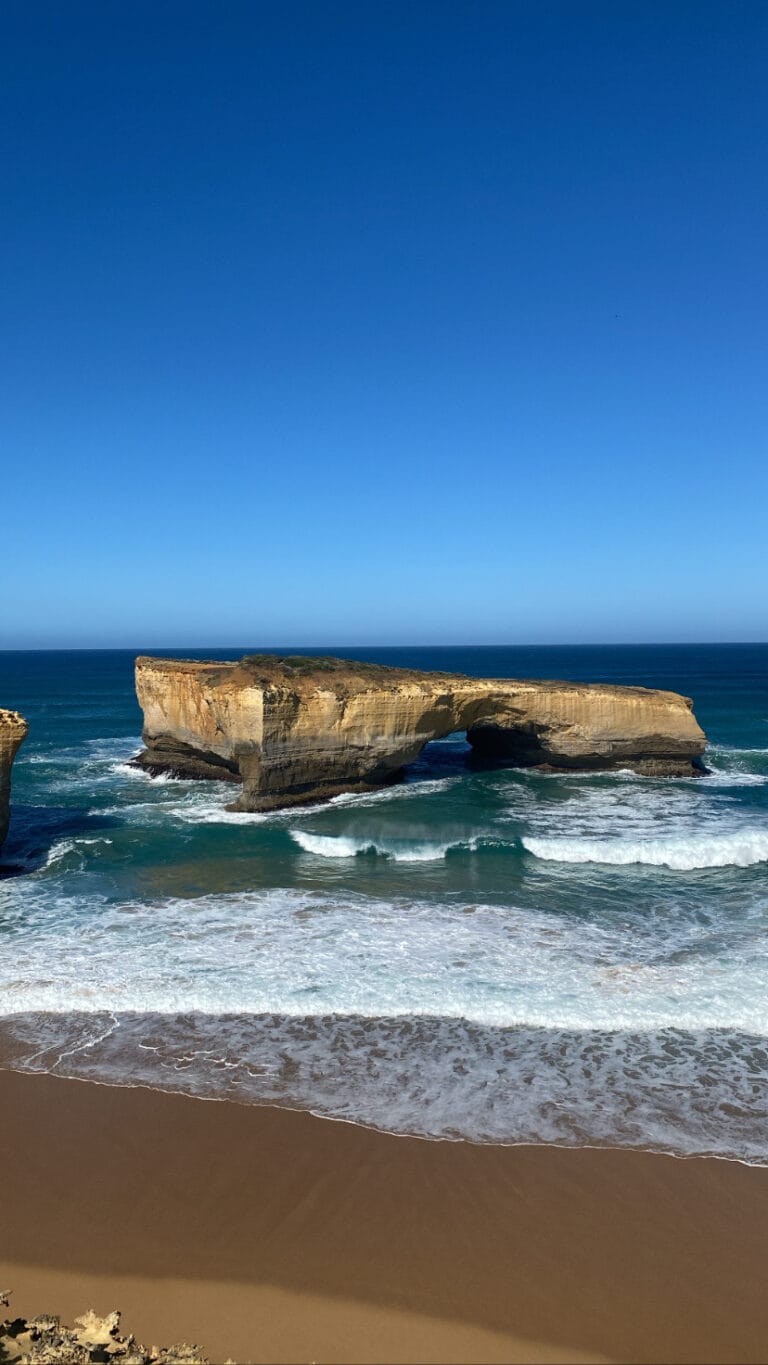
London Arch
London Arch

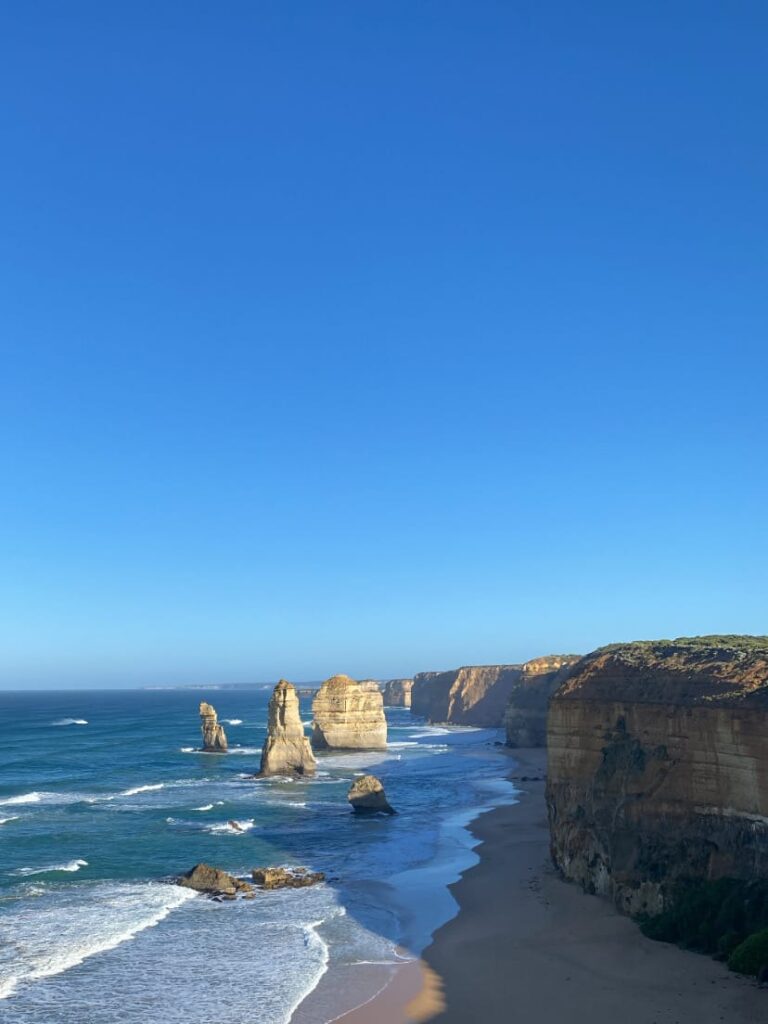
This final stretch of the Great Ocean Road is all about the dramatic limestone structures rising from the Southern Ocean. Start early and visit the Twelve Apostles at sunrise for the best views without the crowds (despite the name, only eight stacks remain standing today). Also, make sure to walk down Gibson Steps and appreciate them from the beach to get another perspective!

From the Apostles, continue west and stop at Loch Ard Gorge, London Arch and The Grotto, the lesser-known siblings of the Apostles. A little further on, Bay of Islands Coastal Park offers similar scenery with even fewer people to share with! The next stop ise Warrnambool, which itself isn’t particularly worth visiting. Instead, drive another 20 minutes past it to get to Tower Hill Wildlife Reserve, set inside a dormant volcanic crater. The walking tracks here are amazing and you’re almost guaranteed to see emus, kangaroos, koalas, echidnas and plenty of birdlife in a beautiful natural setting. From Tower Hill, it’s roughly a 3-hour inland drive back to Melbourne, completing your Great Ocean Road loop.

Extra Highlights in Victoria

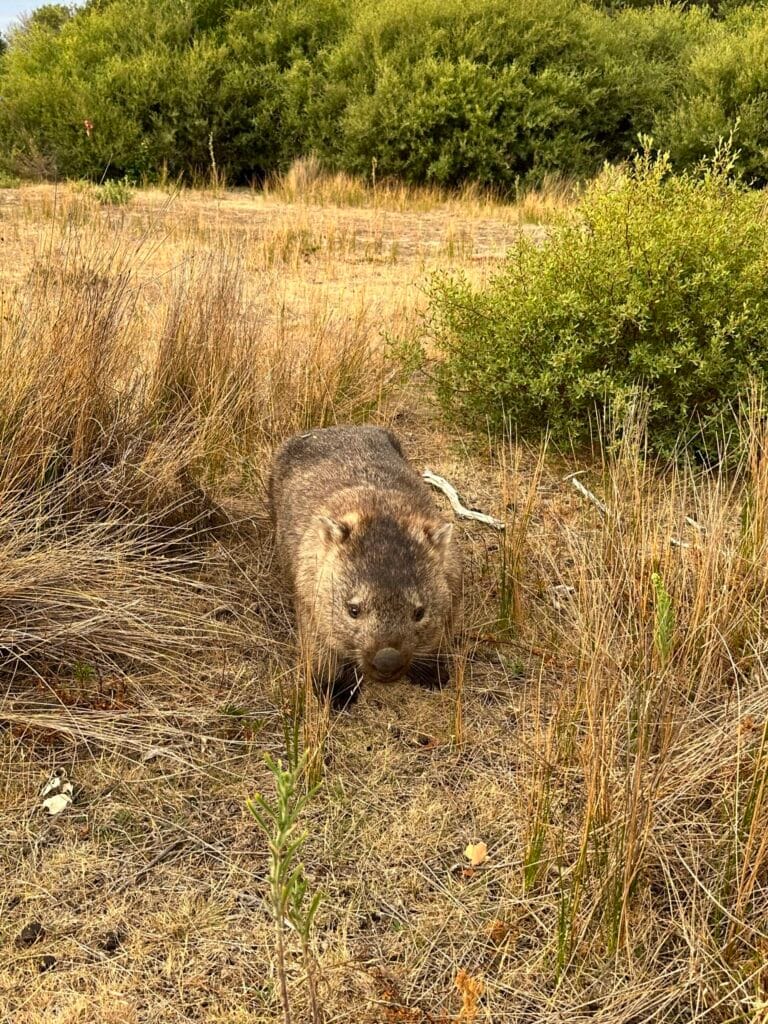
Wombat at Wilsons Promontory Wildlife Walk
Wombat at Wilsons Prom
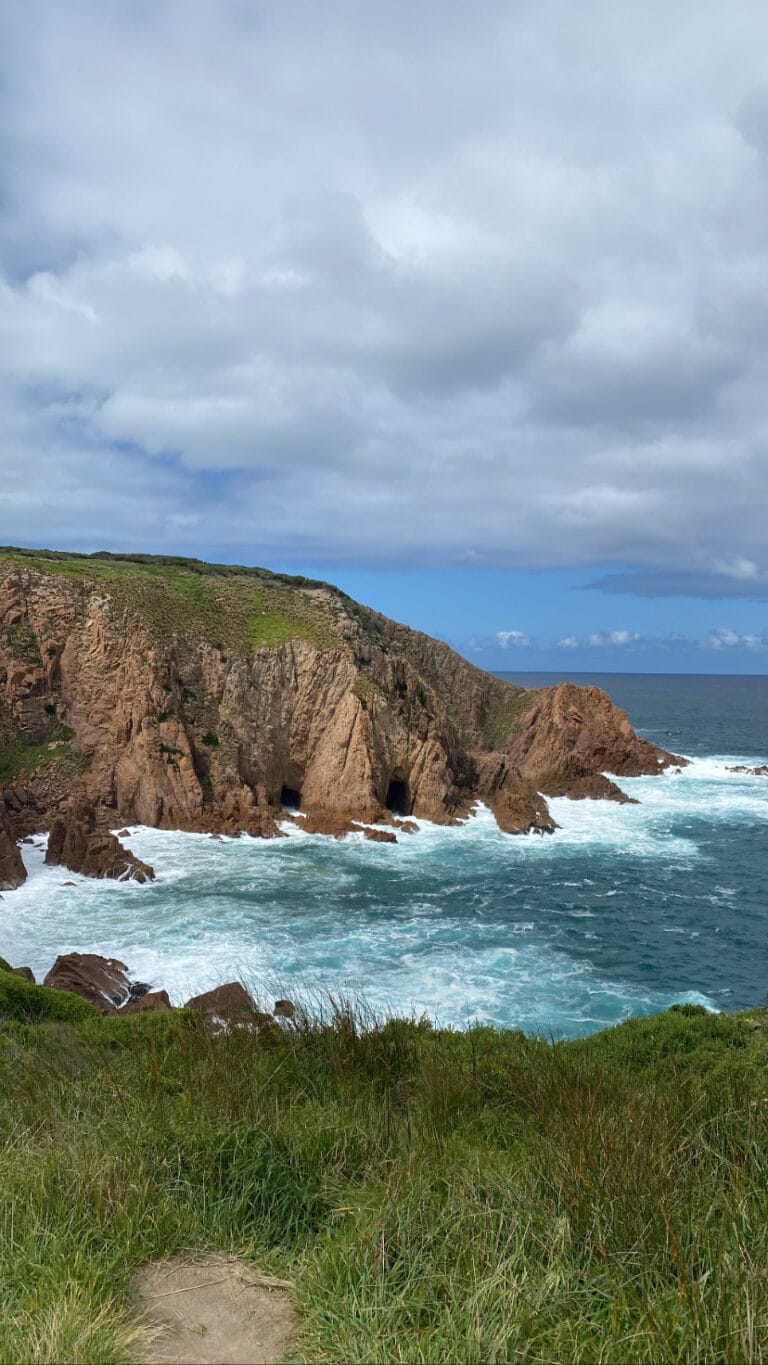
Cape Woolamai Phillip Island

Beyond the Great Ocean Road, Victoria has plenty more to offer if you have extra time. Phillip Island, about a 2-hour drive from Melbourne, is famous for its nightly penguin parade, where hundreds of little penguins return to shore after sunset. We personally found the experience quite touristic, but if you’ve never seen penguins before it can still be worth visiting. Aside from that, we enjoyed the dramatic cliffs around Cape Woolamai and the far western end of the island, but overall the rest of Phillip Island didn’t feel quite as wild as some of Victoria’s other coastal areas.

For a more rugged and nature-filled experience, we much preferred Wilsons Promontory. Located about a 3-hour drive southeast of Melbourne, the Prom feels far more remote, with incredible coastal scenery, granite mountains, and abundant wildlife. Wombats, emus, kangaroos and wallabies are often seen wandering around the park, especially near dusk. You’ll need at least one night to stay here, and two nights is even better to properly explore the beaches and hiking trails. Tidal River Campground is the best base (which is why it does book out during weekends), and our highlights include the Mount Oberon summit walk for sweeping views over the coastline and the Prom Wildlife Walk, where wombats, emus, kangaroos and echidnas are all wandering next to each other!