Cook Islands — Perfect 1 week Cook Islands itinerary

DESTINATION

Cook Islands

Perfect 1 week Cook Islands itinerary

Avarua

Capital

English

Language

NZ$

Currency

The perfect 1 week Cook Islands Itinerary

The Cook Islands are 15 Polynesian islands in the South Pacific; most visitors split time between Rarotonga and Aitutaki as these are the most accessible. English and Cook Islands Māori are the official languages, and the islands are self-governing in free association with New Zealand.


  • When to go: It’s warm year-round; the drier trade-wind season May–Oct is best for kitesurfing and hiking. Humpback whales are most reliable July–Oct (peaking around September).


  • Getting there: Nonstop flights to Rarotonga (RAR) from Auckland (Air NZ/Jetstar), Sydney/Brisbane (Jetstar), Honolulu (Hawaiian Airlines), and Papeete (Air Rarotonga/Air Tahiti). The local carrier for inter-island flights is Air Rarotonga.


  • How long to spend: We recommend spending at least 1 week so you can experience both islands at a relaxed pace. During whale & kite season we recommend spending at least 4 nights in Aitutaki. If you have more than a week, consider adding another island to your itinerary such as Atiu or Mangaia.

Day 1: Arrival in Rarotonga

Most flights from Australia arrive just after sunrise, which means you’ll touch down to warm air, palm trees swaying, and the kind of tropical light that instantly tells you you’ve left the city behind. The airport here is tiny, more like a cheerful open-air terminal than a busy international hub, so customs are a breeze. Within 30 minutes you’ll find yourself outside in the sun, just a few steps from the beach. Because whale season was nearing its end (the first week of October), we decided to fly through to Aitutaki the same day to make the most of our chances to spot them. If you’re earlier in the season, we recommend starting your Cook Islands itinerary in Rarotonga. Although it’s technically possible to catch a domestic flight within an hour of landing, we decided to play it safe and give ourselves a few hours to stretch our legs and get a first taste of island life.

There’s no need to huddle in an air-conditioned terminal here, you can simply walk out of the airport and start exploring. Store your luggage for free at the Air Rarotonga helpdesk, then stroll along the coast to grab breakfast at the Islander Hotel, enjoying beach views and the sound of waves just meters from your table. If you have the time, continue the 15 minutes walk into Avarua, the main town, and grab a coffee at Sea Monster Café. The town itself is small and quiet, but it’s a pleasant place to stretch your legs before the next flight.

TIP: Before leaving the airport, make sure to withdraw some cash, and if you like to stay connected, pick up a Vodafone SIM card for around NZ$50 (These can be bought at arrivals, up to 1h after the arrival of an international flight). In truth, we hardly used it. Wi-Fi is available in most accommodations and restaurants, and the islands are small enough that you won’t need to look up many things. Download your maps offline in advance and you’ll be fine.

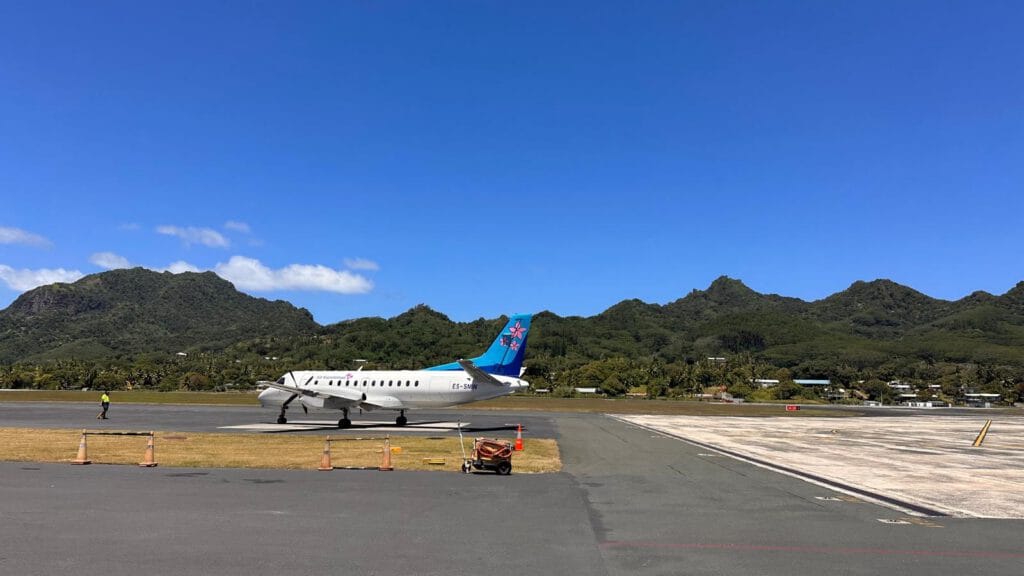
Air Rarotonga flight to Aitutaki
Air Rarotonga propeller flight to Aitutaki

The short domestic hop to Aitutaki is on a small propeller plane, and it’s one of the most beautiful flights you’ll ever take. The moment the lagoon appears below, with its unreal shades of blue and scattered motu (small islands), you’ll understand why it’s often called one of the world’s most stunning lagoons. If you’re traveling on a tighter budget, Aitutaki Budget Accommodation offers accommodation for about NZ$40 per night, while those wanting to splurge can opt for Pacific Island Resort or Aitutaki Private Island Resort, an adults-only retreat with direct lagoon access. An in-between beachfront option is Paradise Cove. Wherever you stay, distances are short, and you can reach any corner of the island within minutes.

After a long day of travel, the best thing you can do is slow down and let the island rhythm take over. Spend the afternoon unwinding on the beach or napping under the palms, and in the evening, enjoy your first Cook Islands sunset over dinner at Blue Lagoon Restaurant & Bar. With the lagoon glowing in soft pinks and golds, it’s the perfect introduction to Aitutaki.

TIP: We highly recommend renting a scooter from Aitutaki Car & Bike Hire — they’ll even drop it at your accommodation before you arrive. Keep in mind that you’ll need a local scooter license to drive. On Aitutaki, getting one is quick and easy: just pop into the police station, pay NZ$2.50, and you’re good to go (the license is also valid in Rarotonga and all other Cook Islands). If you wait until Raro, expect to spend around 3 hours doing a proper theory and practical test that costs NZ$40, so it’s much simpler to get it here.

Day 2: Swim with Humpback Whales

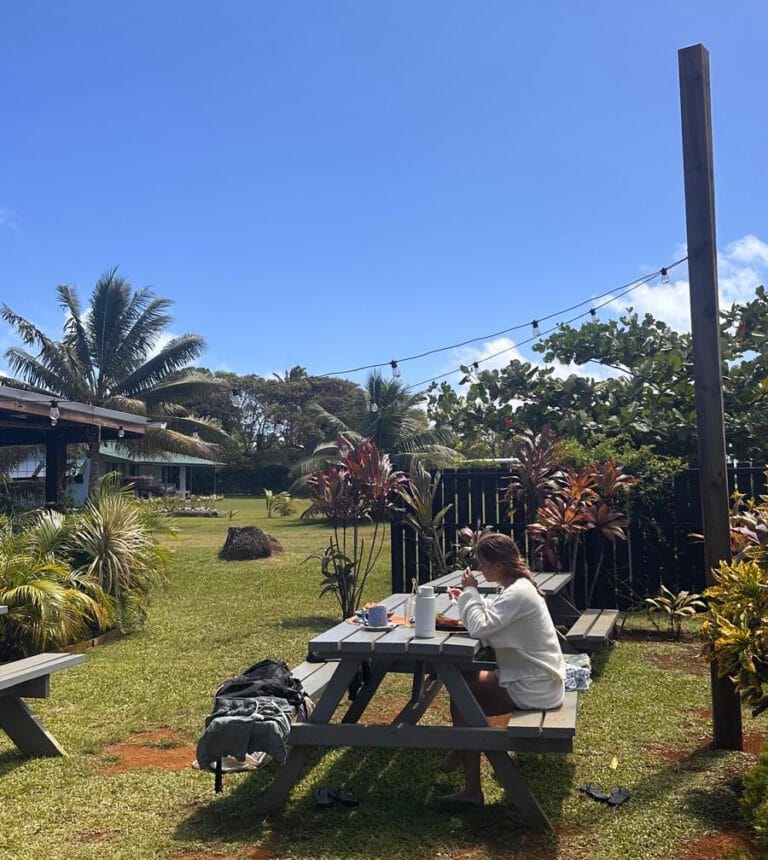
Avatea Cafe
Lunch at Avatea Cafe
gptempdownload
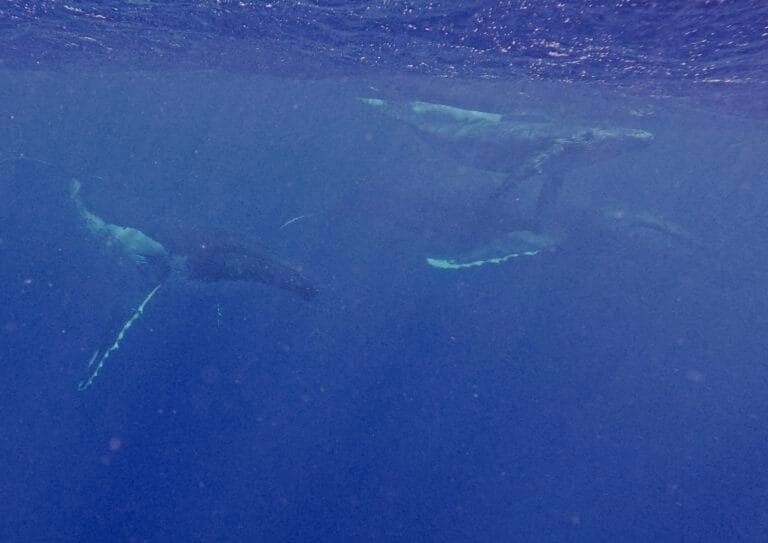
Whale swim Aitutaki
Swim with Humpback Whales Aitutaki

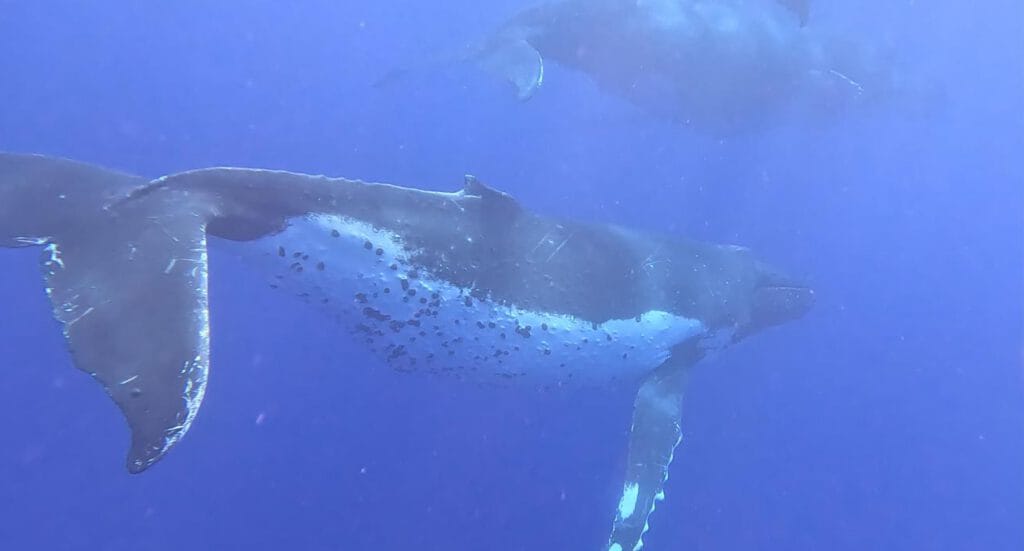
Your second day in Aitutaki will likely be one you’ll never forget, the kind that feels dreamlike even as it’s happening. July to October is whale season in the Cook Islands, so this is your chance to swim alongside humpback whales, one of the most moving experiences you can have in the Pacific. You’ll find a few main operators: Wet N Wild and Bubbles Below are the most established, running tours on larger boats (around NZ$200 per person) with more structure and a bigger group size. For something smaller, and slightly cheaper at NZ$150, go with Saint Tours, a local who’s spent his life navigating these waters. Over the course of three hours, you’ll likely have multiple opportunities to enter the water with humpback mothers, calves, and escorts. The moment you slide into the water and see them gliding effortlessly beneath you, time seems to stop. It’s humbling to share the ocean with creatures that migrate thousands of kilometers across the Pacific each year, and Aitutaki remains one of the few places in the world where this is possible.


Back on land, scoot to Avatea Café — a lush garden café beloved by travelers and locals alike. In the afternoon, loop around the island at your own pace. Stop by one of the small local supermarkets to pick up snacks or lunch for the next day’s lagoon trip. 

TIP: You can also go shopping in the morning before the lagoon cruise, as early as 7am, when locals drop off their freshly baked bread and homemade meals. By late afternoon, the shelves can look a little bare.

Day 3: Lagoon Cruise

Honeymoon Island Aitutaki
Hermit Crab on One Foot Island

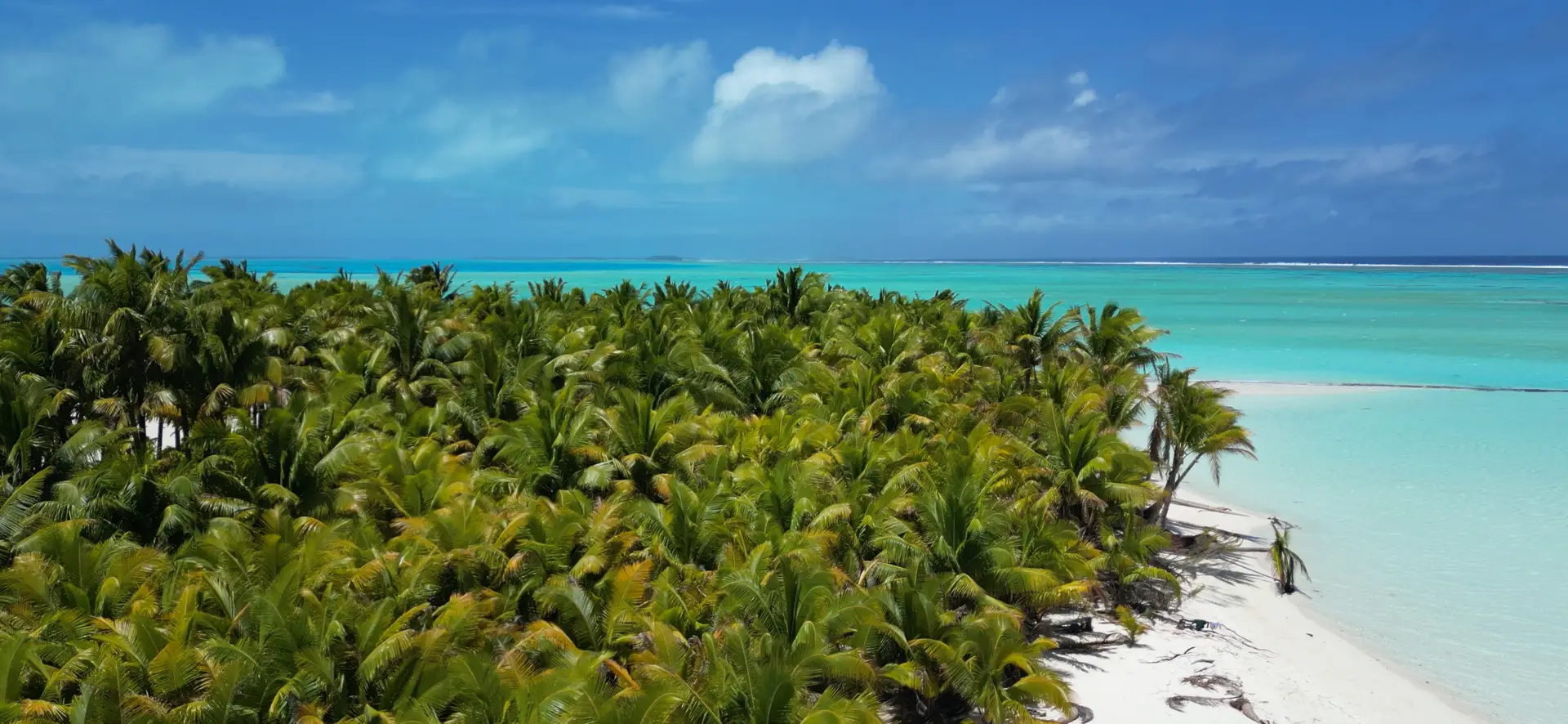
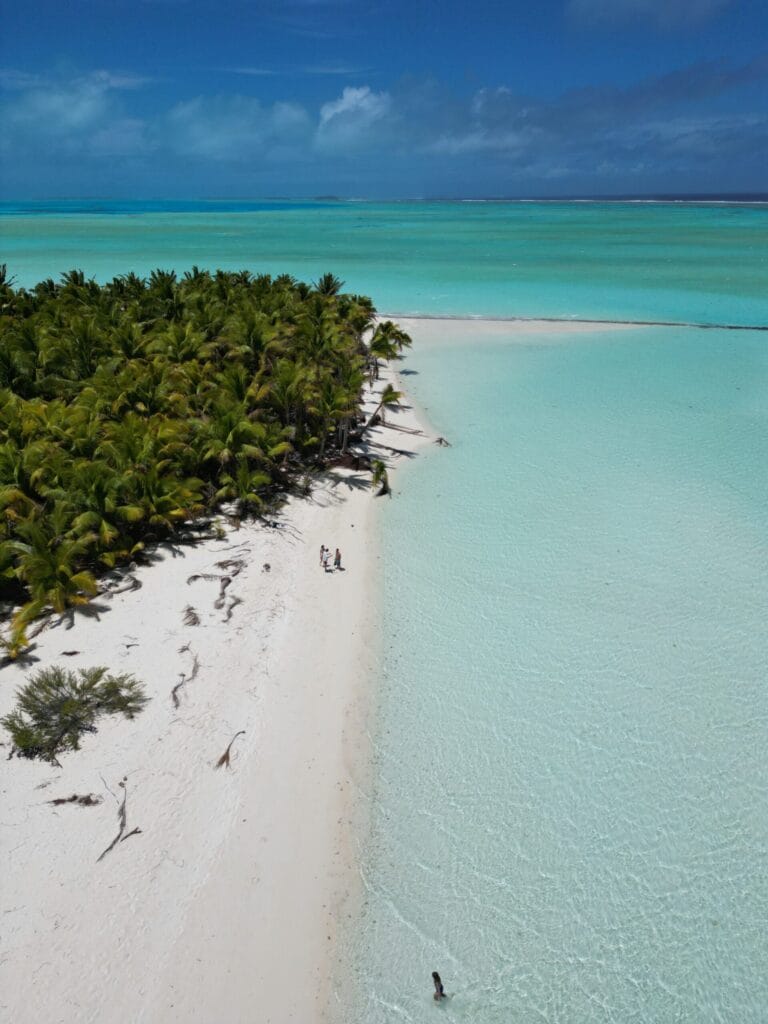
If there’s one experience that truly defines Aitutaki, it’s the lagoon cruise. No photo, no video, no postcard quite prepares you for the endless palette of blues that greet you once you’re out on the water. This is what most travelers come to the Cook Islands for, and once you’re there, you’ll understand why it’s worth every minute. You’ll have a few options to explore the lagoon. The Vaka Cruise offers a more luxurious experience, complete with a buffet lunch and live music, while Bishops Cruises  is another well-known and reliable operator with a smaller group up to 14. Both are great choices if you prefer comfort and a social atmosphere.


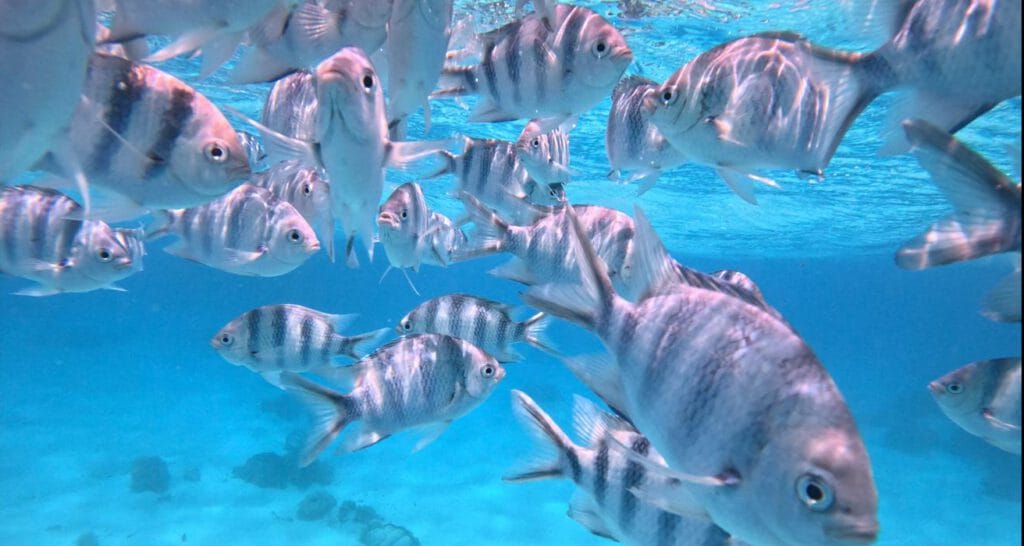
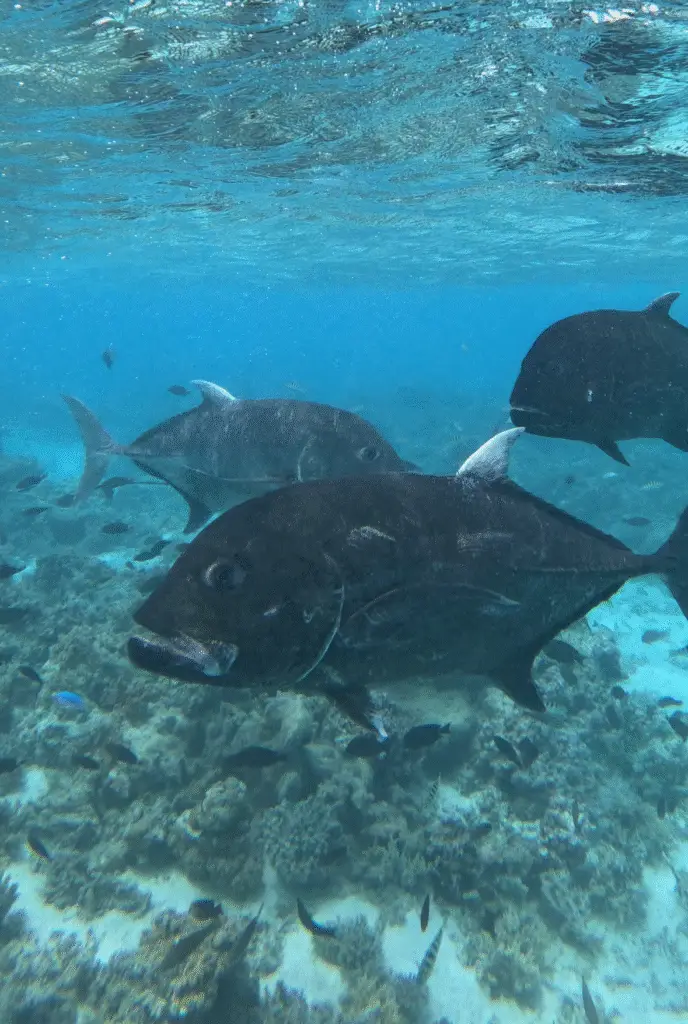
We did our lagoon cruise with Saint Tours. The boat carries just ten people, and you’ll spend 7h exploring the lagoon. Your cruise starts at 9AM from the marina, with the lagoon still glassy under the morning sun. The first snorkel stop will have you surrounded by giant trevally — sleek, silver fish that shimmer as they glide past in the clear blue. Next, you’ll drift above a garden of giant clams, as you get closer, you’ll notice their neon mantles flashing turquoise and violet as they close.

whatsapp image 2025 10 13 at 17.21.53 (6)
Fish in Aitutaki Lagoon
Giant Trevally in Aitutaki Lagoon

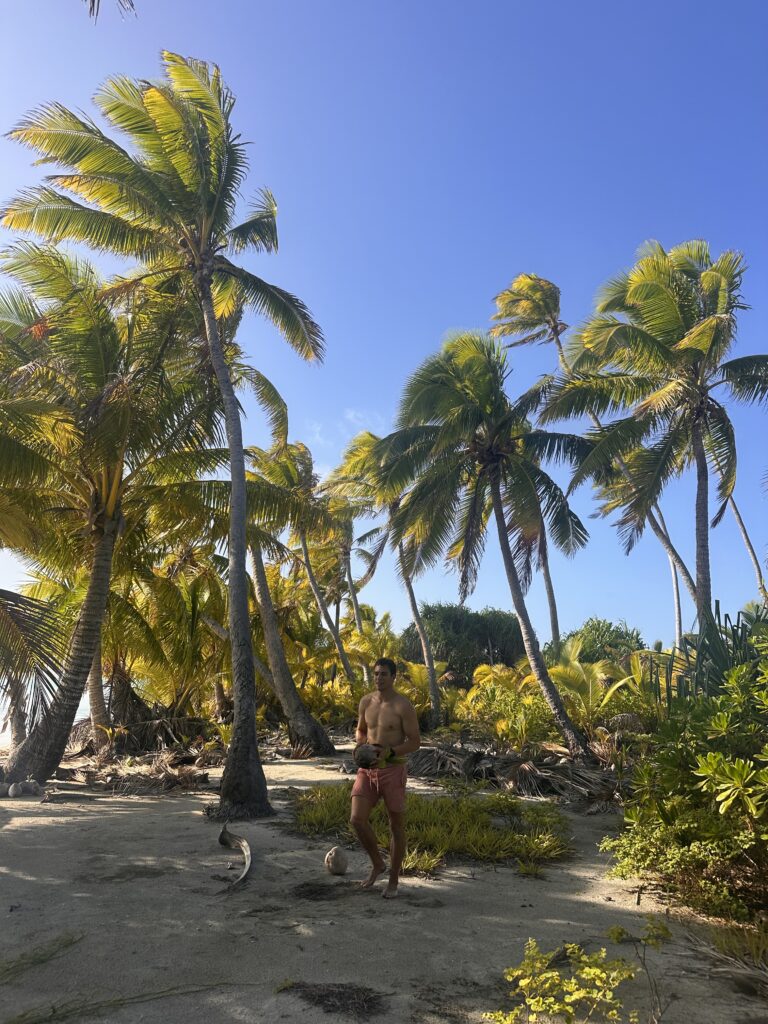
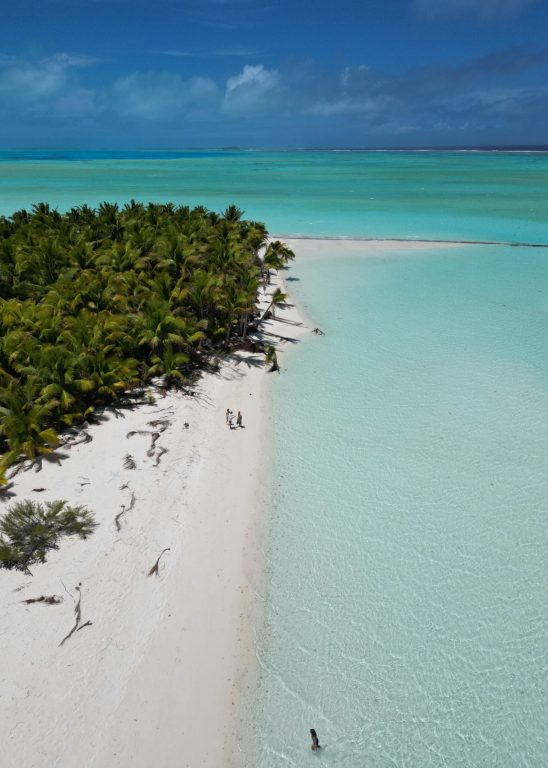
By midday, you’ll arrive at Honeymoon Island, one of the most beautiful motu in the atoll and a world-famous kitesurfing spot when the trade winds blow (which conveniently lines up with whale season). Before landing, you’ll likely stop to swim with hawksbill and green turtles, gliding gracefully through the shallows. On shore, Captain Ned brings the island to life through stories. As he cracks open coconuts for everyone to drink, he’ll share the legend of Sina and the Eel, the tale of a princess and an eel whose love gave birth to the first coconut tree. When you drink from a coconut, he’ll tell you, you’re “kissing the eel.” It’s one of those moments where myth and landscape blend seamlessly, made even more special by the setting, barefoot in the sand, surrounded by lagoon light. You’ll also learn how to make fresh coconut milk, a staple of Cook Islands cooking.


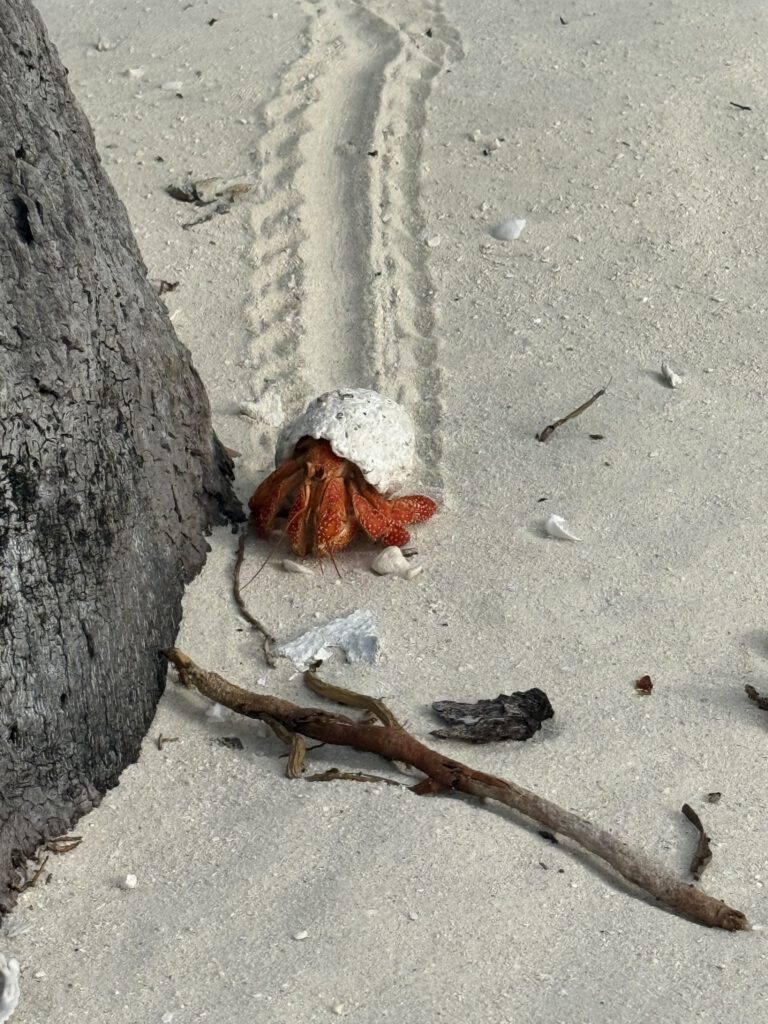
After lunch, you’ll visit a few more snorkeling spots. Each with its own character, from coral gardens teeming with fish to sandbars so white they look like clouds floating on the sea. The final stop is One Foot Island (Tapuaetai), home to one of the most remote post offices in the world. Don’t forget your passportyou can get it stamped here, a perfect souvenir to remember one of the most beautiful days you’ll ever spend on the water.

Day 4: Aitutaki Island Time

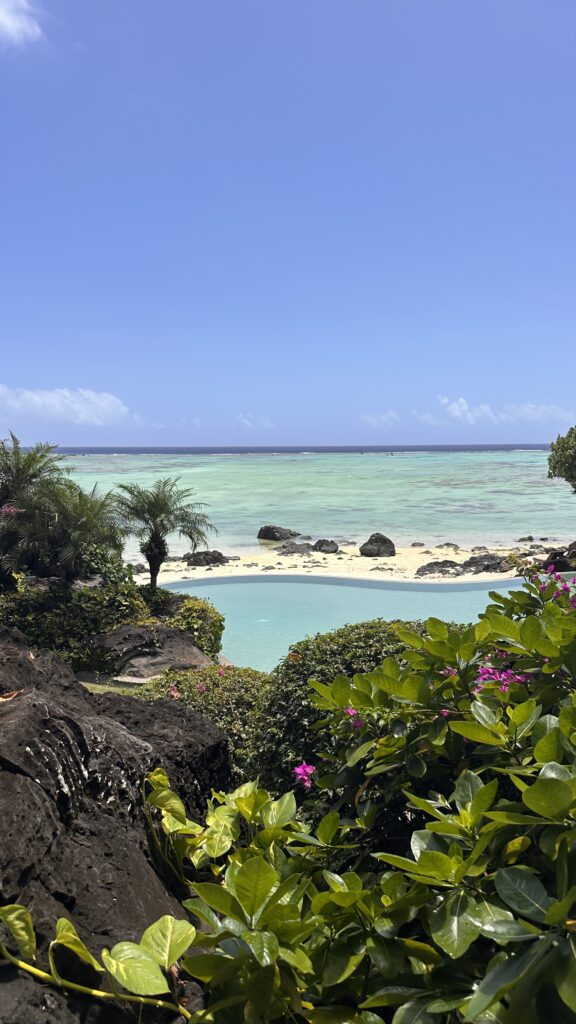
Pacific Resort Aitutaki Pool
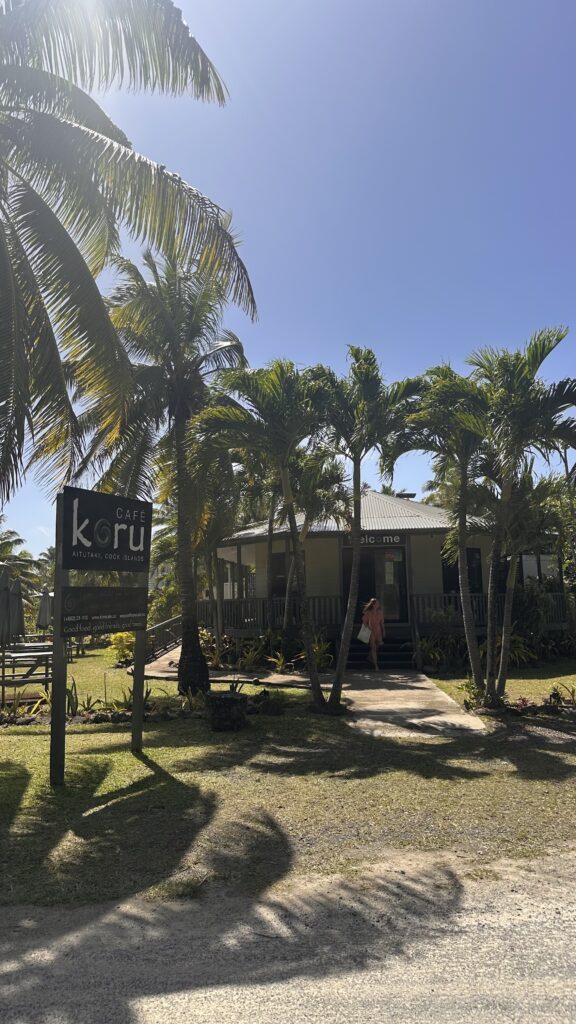
Koru Cafe at O'otu Beach

After two full-on days of adventure, swimming with whales and cruising the lagoon, you’ll probably wake up on Day 4 ready to slow things down a little. If you’re feeling active, there’s the option to go kitesurfing at Honeymoon Island with South Pacific Kiteboarding, one of the top-rated schools in the Cook Islands. They depart daily at 9AM from O’otu Beach and offer both rentals and beginner lessons. With its shallow, sandy lagoon and almost no crowds, Aitutaki is one of the best places in the world to learn or practice your kite skills.

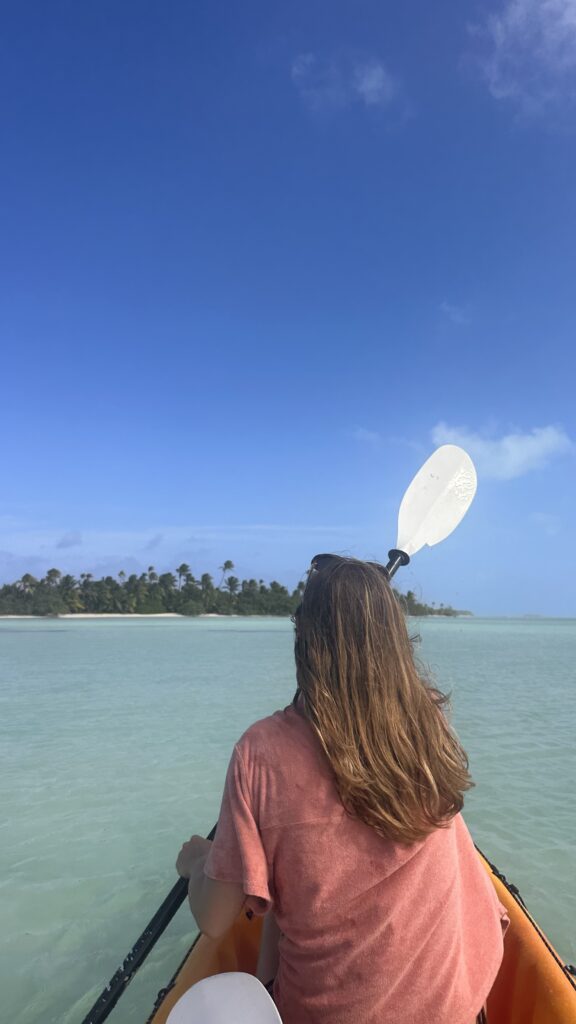
If you’d rather keep things relaxed, start your morning at Koru Café, a charming little spot near O’otu Beach and easily one of the best breakfast and brunch places on the island. From there, wander over to one of the nearby hotels and see if you can borrow a kayak to explore the lagoon at your own pace. Some hotels only rent to guests, but with a friendly smile, you might get lucky.

Trying to open a coconut at Ee motu
Kayaking Aitutaki Lagoon

Once you’re on the water, you’ll glide through Aitutaki’s impossibly clear lagoon, stopping at quiet motu, watching rays pass beneath your kayak, and maybe even trying to open a coconut yourself. As the day winds down, treat yourself to dinner at Rapae Bay Restaurant at the Pacific Resort — arguably the island’s most refined dining spot. The coconut trio dessert is a must-try, and the spa here also offers morning massage discounts, making it the perfect slow, indulgent day in paradise

Day 5: Transit day to Raro

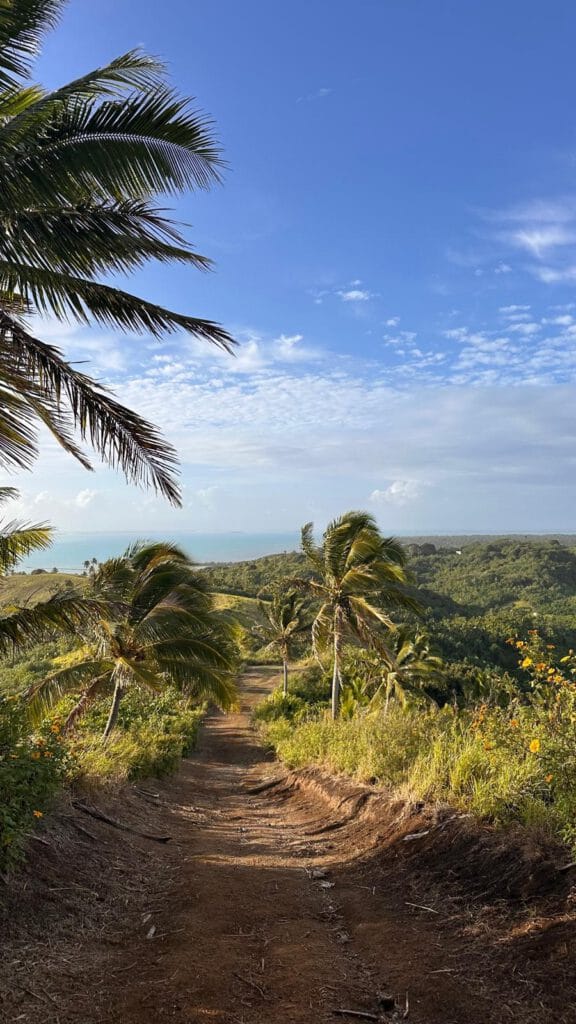
View on the way down from Maungapu
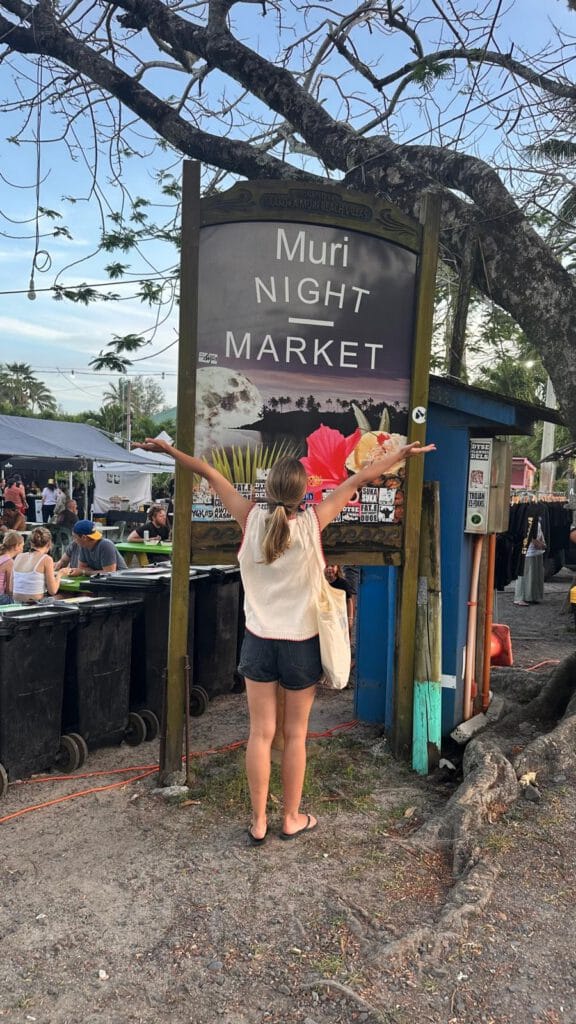
Muri Night Markets
Muri Night Markets

Your last morning in Aitutaki will come far too soon, it’s one of those places that makes you wish for just a few more days. But with half a day left before your afternoon flight to Rarotonga, you’ll still have time to soak in a few final moments of paradise. Start the day early with a short walk up Maungapu, Aitutaki’s highest point at a modest 124 meters. The climb takes only about 15 minutes, but the view from the top is incredible, a sweeping panorama of the lagoon in all its turquoise glory. Once back down, take a detour toward the Piraki Lookout, a lesser-known spot that offers another beautiful perspective of the atoll. The road winds past a sleepy village, a few goats, and the occasional wandering chicken, all part of Aitutaki’s quiet charm. Time permitting, stop for one last coffee and light lunch at your favorite cafe before heading to the tiny airport for your flight to Rarotonga. 


When you land in Rarotonga, the vibe immediately feels livelier: a few more cars, a touch more bustle, music drifting through the air , yet the same warm island welcome. Most people choose to stay near Muri Lagoon, but anywhere on the south or west side of the island is a great place to stay – you are max 20min by car from anything on the island anyway! On your first night, head out for dinner at the Muri Night Market, a lively open-air market that pops up a few nights a week. You’ll find sizzling BBQ plates, curries, poke bowls, and tropical smoothies, all shared at communal tables under string lights. It’s the perfect first taste of Rarotonga life, just don’t arrive too late, as the market winds down around 9PM.

TIP: While Rarotonga is only 30km circumference, it gives you a lot of flexibility when you have your own car. The cheapest provider we found was Drive Rarotonga, which we can highly recommend. They drop off your rental car at the fuel station just across from the airport at no extra cost. Renting a car also saves you at least NZ$25 per person for a one way airport transfer. 

Day 6: Culture & Avaavaroa passage

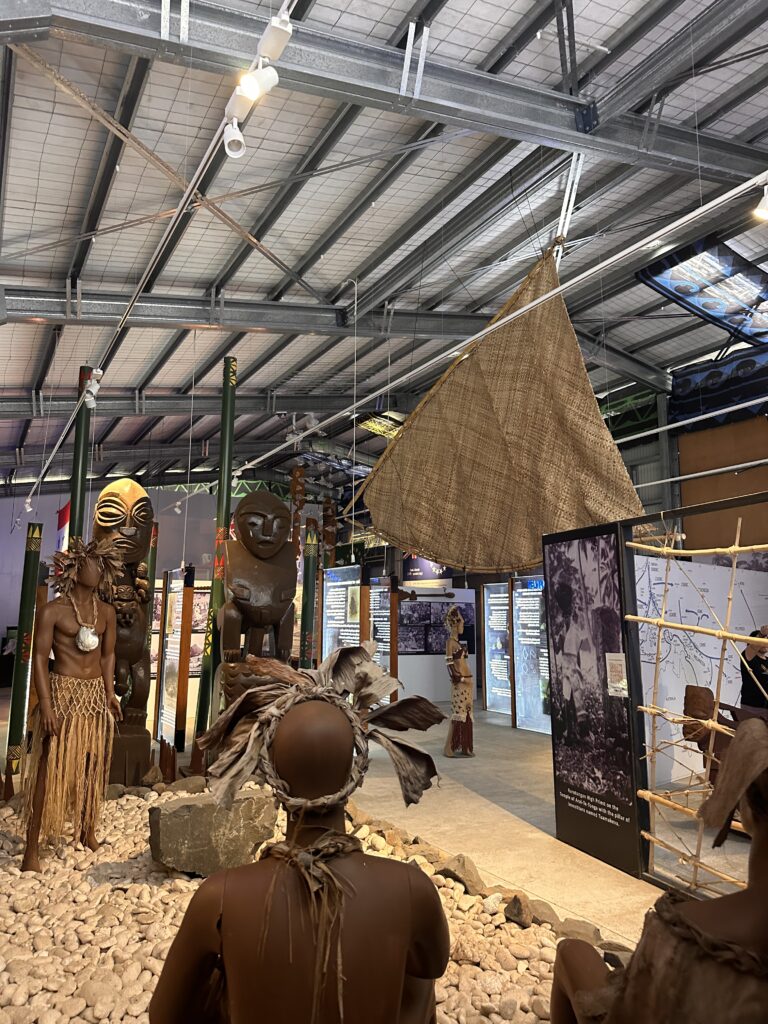
Te Ara Cook Islands Museum
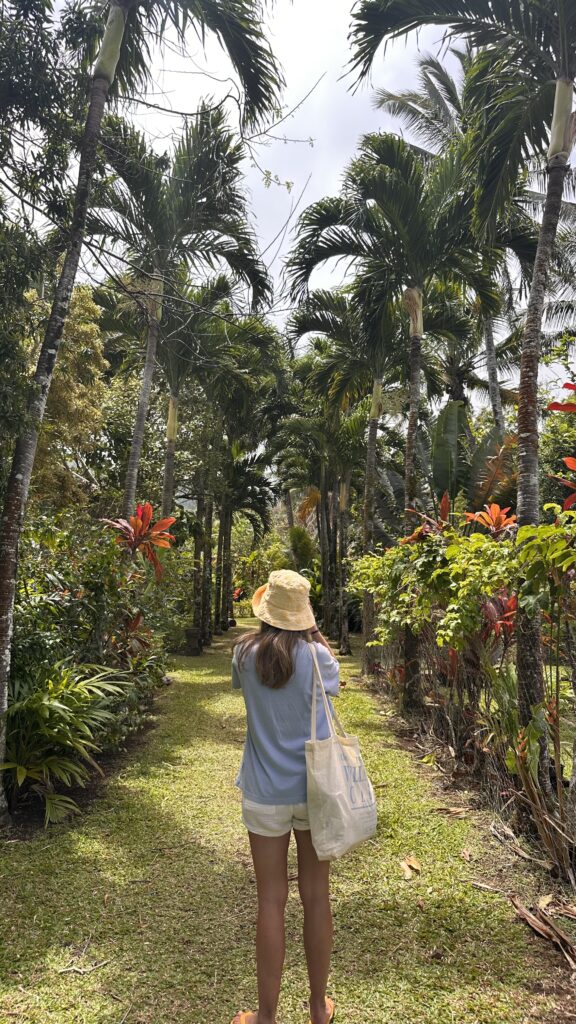
Te Mara Nui Gardens
Te Mara Nui Gardens

Start your first full day on Rarotonga with a bit of culture and context. The Cook Islands may be small, but their history runs deep, shaped by centuries of Polynesian voyaging, local traditions, and encounters with European explorers. To get a real sense of that heritage, head to the Te Ara Cook Islands Museum in Muri. It’s a small but wonderfully curated space that walks you through the islands’ Māori culture, ancient navigation routes, and how the Cook Islands have evolved over time. Entry costs just NZ$15, and you’ll only need about an hour to explore, but it’s one of the best ways to understand the stories behind the dances, tattoos, and legends you’ll come across during your trip.

Afterward, take a short five-minute drive down the road to the Hidden Café inside the Te Mara Nui Gardens, a true hidden gem surrounded by lush tropical greenery. The gardens are worth a slow wander before or after lunch, with peaceful walking trails and vibrant native plants.

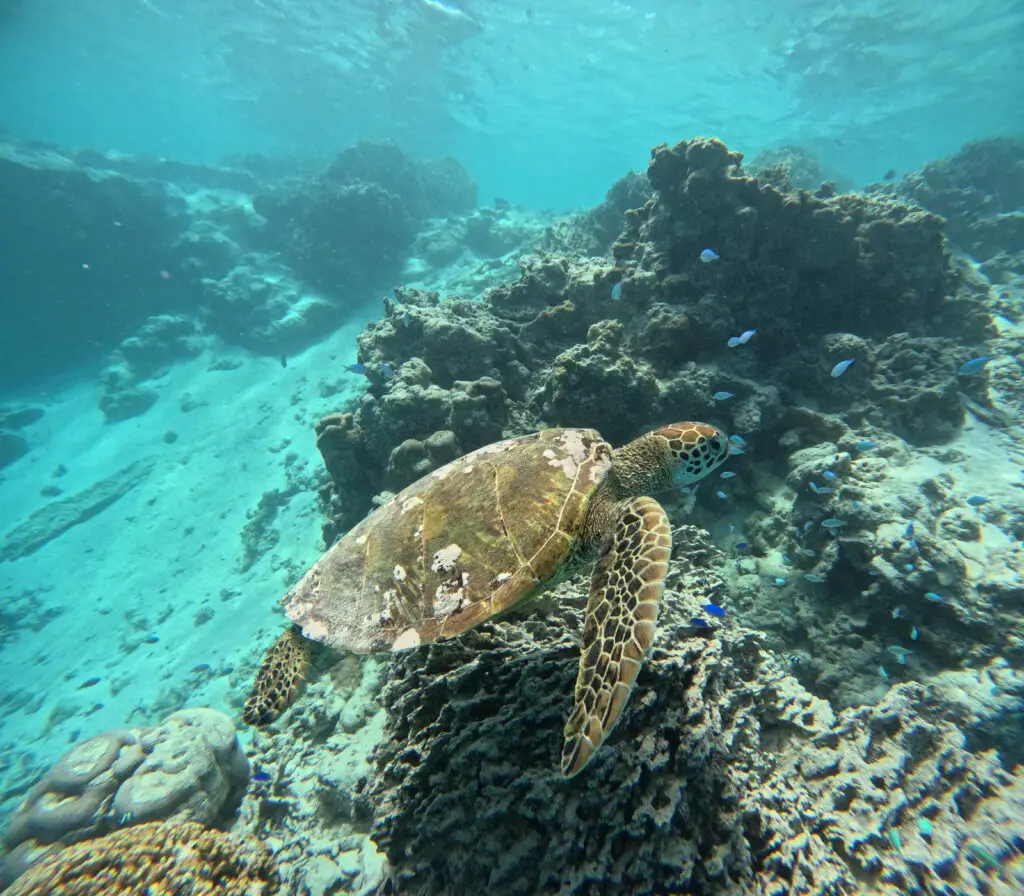
Turtle in the Avaavaroa passage
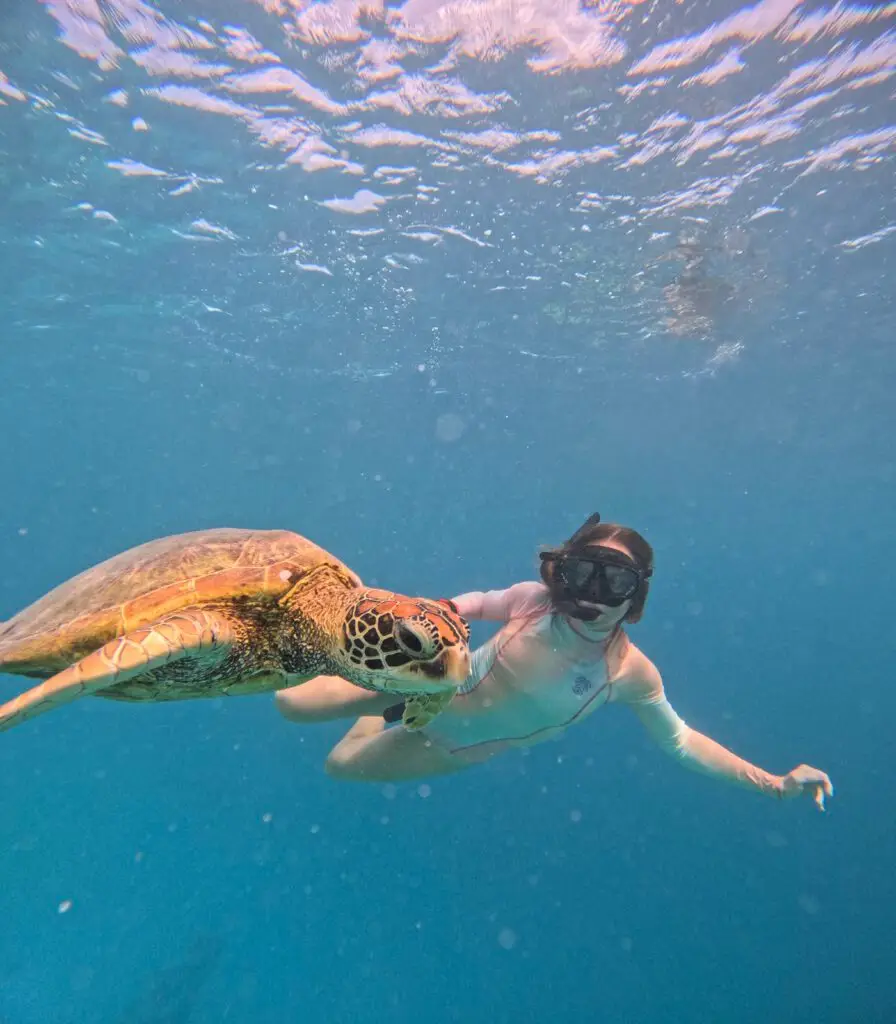
Snorkelling with turtles in Avaavaroa passage

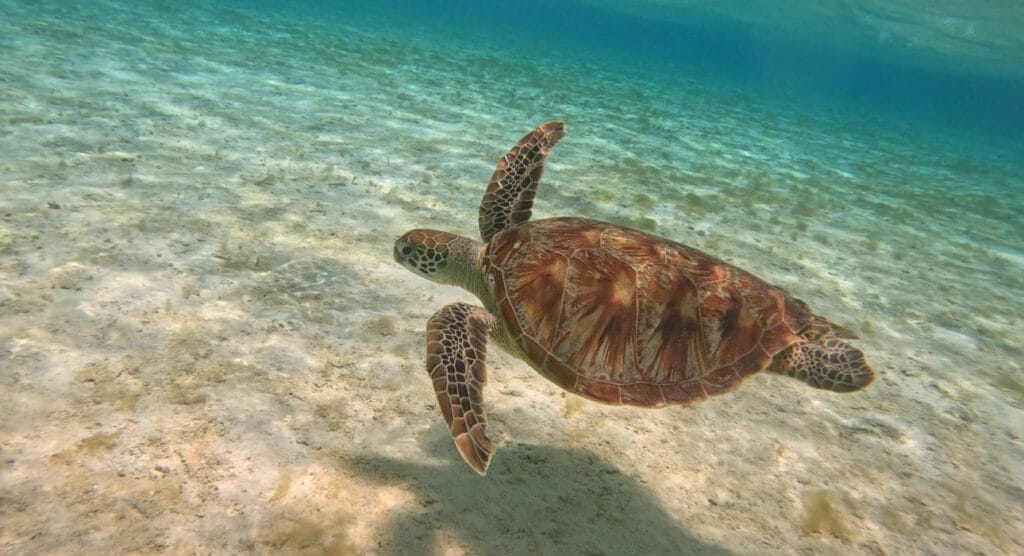
The afternoon brings one of the absolute highlights of your trip, snorkeling with turtles in the Avaavaroa Passage, on Rarotonga’s south coast. This narrow channel connects the lagoon to the open ocean and is home to around 30 resident green and hawksbill turtles, including one said to be nearly 90 years old. Watching these graceful creatures glide effortlessly through the water is nothing short of magical.

You’ll find several operators offering turtle tours here, ranging from budget options like Papa Turtle to more premium small-group experiences. One of our favorites is Moana Sea Scooter Tours (NZ$150), a locally run company known for their small groups (maximum four people) and electric sea scooters, which make it easy to dive down and swim right alongside the turtles. They also make great pictures and share them with you straight after. The guides are experienced, respectful, and prioritize the animals’ safety as much as yours. Whatever you do, don’t attempt this snorkel on your own, the Avaavaroa Passage has strong, unpredictable currents. Even confident swimmers should only go with a licensed operator who knows the tides and conditions. As the sun starts to set, finish your day with dinner at Tamarind House, one of Rarotonga’s most iconic restaurants. Set in a restored colonial-style home on a grassy lawn that slopes down to the ocean, it’s the perfect spot to watch the sky turn gold and pink over the Pacific. Be sure to book an outdoor table — the lawn spots fill up quickly and make for an unforgettable dinner view.

Day 7: Cross Island Trek

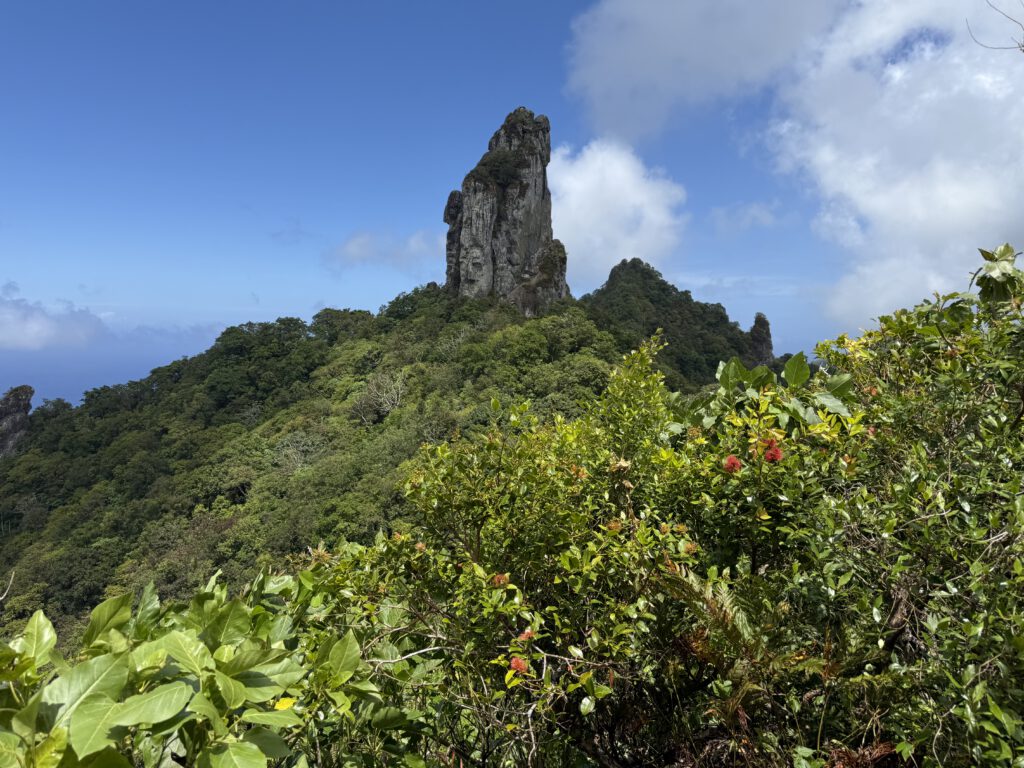
Te Rua Manga (The Needle)
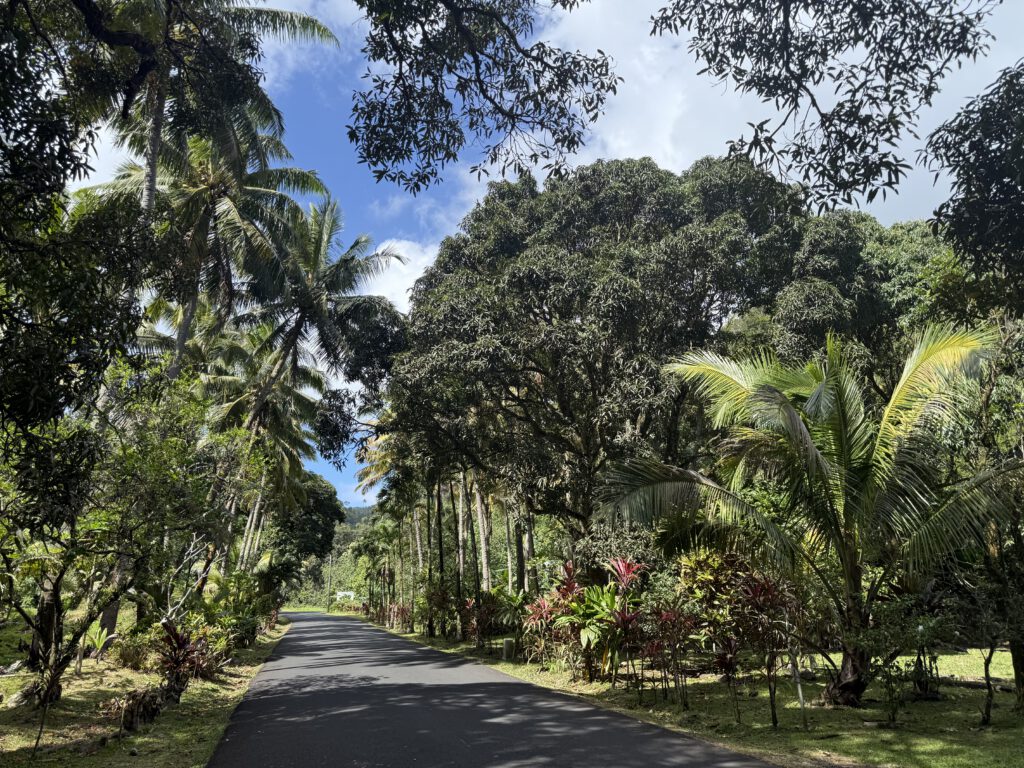
Flat road towards the Needle car park
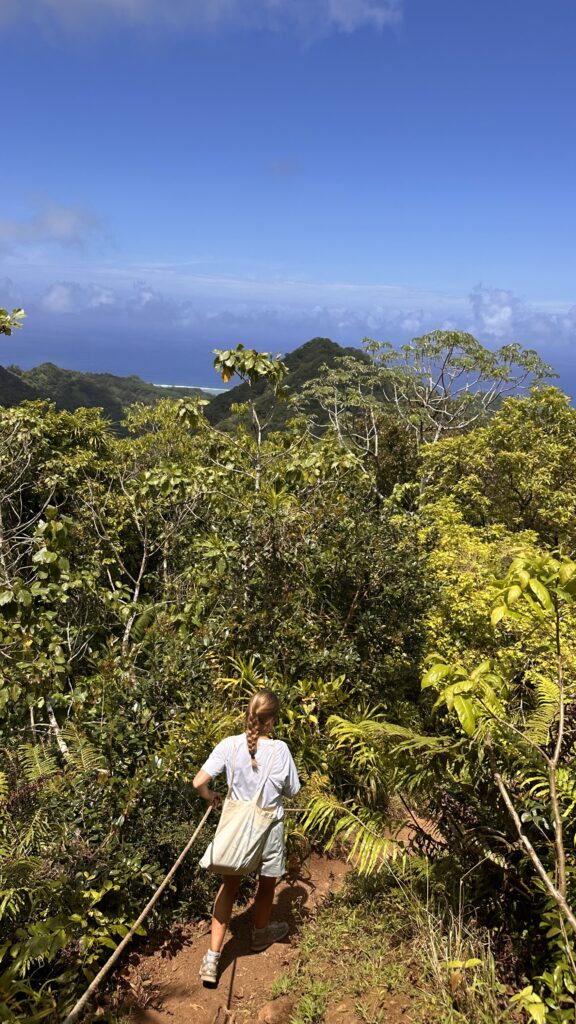
South way down from The Needle

After a few days spent in and around the water, it’s time to discover another side of Rarotonga: its wild, jungle-covered heart. The island’s most iconic hike, the Cross-Island Track, slices straight through the center from north to south, taking you from lush rainforest to panoramic ridges and finally down to a waterfall. The full trail is around 10 kilometers and typically takes about four hours at a relaxed pace, allowing plenty of time for photos, rest stops, and to simply enjoy the serenity. You’ll want to start from the north side near Avarua and finish on the south side at Wigmore’s Waterfall. This direction makes navigation easier and rewards you with a refreshing swim beneath the falls at the end, the perfect payoff after hiking through the humid tropical air. Getting to the trailhead is simple: just hop on the clockwise or anti-clockwise island bus, which runs every hour for NZ$5 per ride

Many people with a car just drive to the Needle Car Park and skip the flat first stretch from the Avarua bus stop to the trailhead, but it’s worth walking, it’s one of the most peaceful parts of the hike, winding through thick palms, fern-covered gullies. The actual trek is steep and root-filled, with natural steps formed by rocks and tree trunks as you ascend deeper into the forest. Eventually, you’ll reach Te Rua Manga, better known as The Needle — a dramatic basalt pinnacle rising 413 meters above sea level. The real reward comes as you start your descent toward the south though, where a panoramic ridge opens up behind you, offering sweeping views back toward the Needle and down over Rarotonga’s southern coastline. As you make your way down crossing a shallow stream a couple of times, you’ll eventually hear the sound of rushing water: Wigmore’s Waterfall, your well-earned reward at the end of the trail. The falls tumble into a shaded pool surrounded by dense greenery, ideal for a cooling dip after your trek. There’s even a narrow side path leading up to another section of the waterfall.

When you’re ready to head back, walk towards the main road and wait for the bus for an easy ride back to your accommodation. And, if you still have some energy left in the evening, consider rounding off your day with the Te Vara Nui Cultural Show near Muri. It’s a performance with traditional dance, dinner, and storytelling.


TIP: Start the cross island trek early to avoid the midday heat and crowds, especially in high season when the northern section can get busy. Wear sturdy shoes, bring plenty of water, and avoid hiking after heavy rain when the trail gets slippery. You can climb partway up the needle using the ropes provided, but the final scramble to the very top is extremely steep and best left to experienced hikers. The view from just below the summit is already breathtaking, and, truth be told, the very top doesn’t offer much more.

Day 8: Raro Island Time

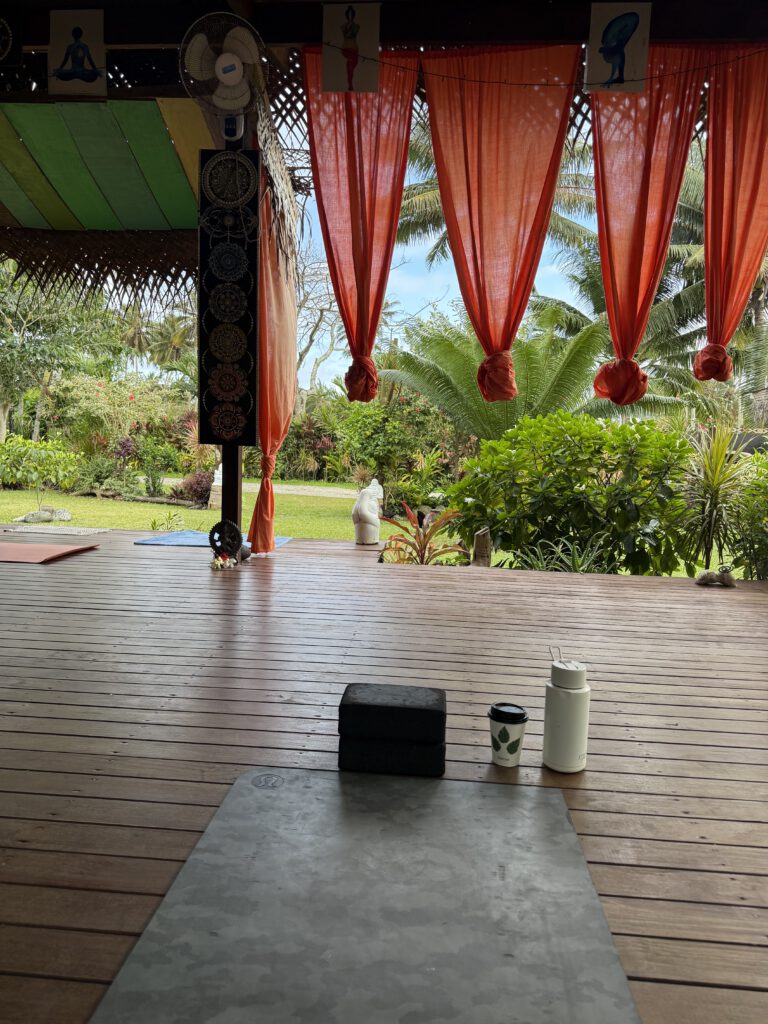
Sukha Yoga Matavera
Sukha Yoga Matavera

Begin your final morning on Rarotonga with a sense of calm at Sukha Yoga in Matavera, a peaceful open-air studio tucked amid the lush gardens of the island’s interior, a gentle way to start your last full day in paradise. After yoga, head to Muri Lagoon, Raro’s most iconic and photogenic spot. The lagoon’s shallow, glassy waters are dotted with tiny islands that you can walk or wade to at low tide. You can also rent a kayak or paddleboard from one of the beach stands and glide across the water for sweeping views back toward the island. 


When lunchtime rolls around, stop at The Beach Hut or Shipwreck hut for lunch in a barefoot atmosphere. Both restaurants have excellent shallow snorkel spots – calm water, vibrant coral, and colorful reef fish only meters from shore.

End your day (and your Cook Islands trip) with a sunset dinner at Antipodes, a Mediterranean-style restaurant perched on a cliff on the island’s northwest coast. The views are spectacular, the food refined yet relaxed, and if you book around sunset, you’ll get to watch the sky fade from gold to deep purple over the Pacific. It’s one of the pricier spots on Rarotonga, but absolutely worth it for a memorable final night.

TIP: Instead of following the main coastal road, take Rarotonga’s older interior roads, which are quieter and wind through lush plantations and village homes, a more authentic glimpse of daily island life. If you’re in the mood for something more adventurous, you could join one of the island buggy tours, which race through the jungle and muddy backroads, but keeping things slower allows you to really take in the scenery.